The Rise of Contactless and On-Demand: How Modern Courier Services Are Redefining Convenience in Urban Logistics
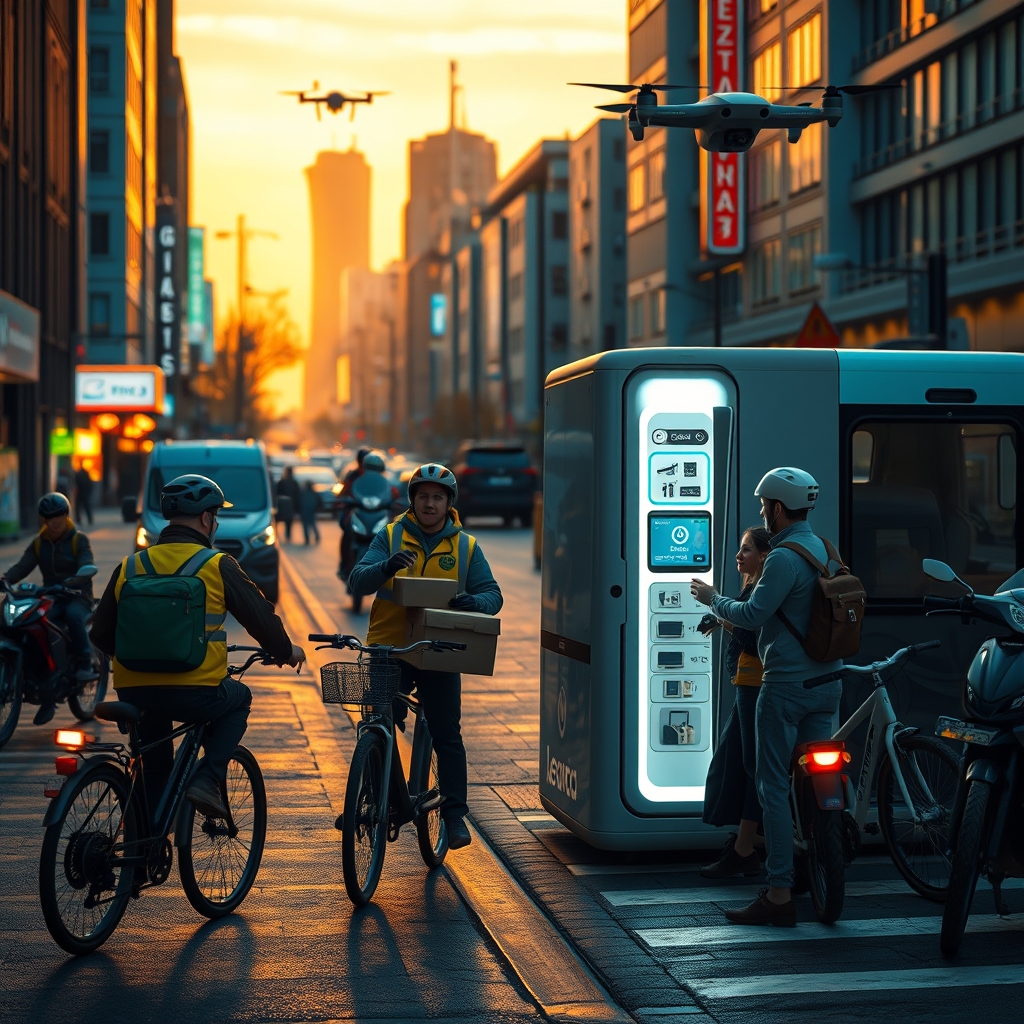
In the fast-paced rhythm of urban life, the demand for seamless, efficient, and flexible logistics solutions has never been higher. Businesses and consumers alike are increasingly turning to courier services that not only promise speed but also prioritize convenience, security, and sustainability. At the heart of this transformation lies the rise of contactless package drop-off and on-demand courier services, two innovations that are reshaping how parcels move through cities and beyond.
The Shift Toward Contactless Convenience
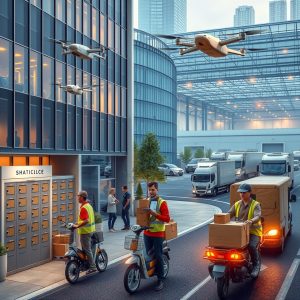
The global pandemic accelerated a trend that was already gaining momentum: the preference for contactless delivery. Consumers and businesses alike sought ways to minimize physical interaction while ensuring the safe and timely arrival of packages. Today, contactless drop-off options—whether through smart lockers, designated delivery zones, or automated pickup points—have become a staple of modern logistics. These solutions not only reduce the risk of lost or mishandled packages but also offer unparalleled flexibility for recipients who may not be available during traditional delivery windows.
For businesses, contactless delivery has proven to be a game-changer in last-mile efficiency. By leveraging smart locker pickups and automated drop-off points, companies can streamline their delivery processes, reduce failed delivery attempts, and cut down on operational costs. This shift is particularly impactful in densely populated urban areas, where traffic congestion and limited parking can turn a simple delivery into a logistical nightmare. With contactless options, couriers can optimize routes, reduce idle time, and ensure that packages reach their destinations without unnecessary delays.
The Power of On-Demand Logistics
Gone are the days when businesses and consumers had to plan their schedules around fixed delivery windows. The rise of on-demand courier services has introduced a new level of flexibility, allowing users to request pickups and drop-offs at their convenience. Whether it’s an urgent document courier for a time-sensitive contract or a same-day package delivery for an e-commerce order, on-demand logistics providers are meeting the need for speed without compromising on reliability.
This model is particularly beneficial for small and medium-sized enterprises (SMEs) that may not have the volume to justify a full-scale B2B delivery service but still require agile and responsive logistics solutions. On-demand couriers offer scalable services, from scheduled parcel pickups to residential parcel drop-offs, ensuring that businesses can adapt to fluctuating demand without overcommitting resources. For consumers, the ability to schedule a pickup or delivery with just a few taps on a mobile app has redefined expectations for convenience and control.
Eco-Friendly Delivery: A Growing Priority
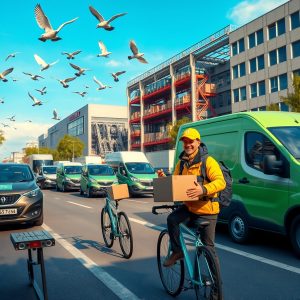
As urban logistics evolve, so too does the emphasis on sustainability. The environmental impact of traditional delivery methods—particularly those reliant on fossil fuels—has prompted a shift toward eco-friendly delivery solutions. Courier services are increasingly adopting electric vehicles, bike couriers, and optimized routing algorithms to reduce carbon emissions while maintaining efficiency. This commitment to sustainability is not just a moral imperative but also a competitive advantage, as businesses and consumers alike prioritize partners that align with their environmental values.
Innovations like smart locker networks also contribute to greener logistics by consolidating deliveries into centralized locations, reducing the number of individual trips required. Additionally, the use of automated pickup services minimizes the need for repeated delivery attempts, further lowering the carbon footprint of each shipment. For businesses, embracing eco-friendly logistics isn’t just about reducing emissions—it’s about future-proofing their operations in a world where sustainability is no longer optional.
Real-Time Tracking: Building Trust Through Transparency
One of the most significant advancements in modern courier services is the ability to track packages in real-time. Gone are the days of uncertainty, where senders and recipients were left in the dark about the status of their shipments. Today, real-time package tracking provides end-to-end visibility, allowing users to monitor their parcels from pickup to delivery. This transparency builds trust, reduces anxiety, and enables businesses to proactively manage their supply chains.
For corporate clients, real-time tracking is a critical component of business courier solutions. Whether managing nationwide freight shipping or coordinating international parcel shipping, businesses rely on accurate, up-to-the-minute data to make informed decisions. The integration of tracking technology with on-demand platforms ensures that every stakeholder—from the sender to the recipient—has access to the information they need, when they need it.
The Future of Urban Logistics
The convergence of contactless delivery, on-demand services, and eco-friendly innovations is transforming urban logistics into a more responsive, sustainable, and customer-centric industry. As technology continues to advance, we can expect even greater integration of automation, artificial intelligence, and data analytics to further optimize delivery networks. From bulk shipping discounts for high-volume clients to automated pickup services that eliminate the need for manual intervention, the future of courier services is one of seamless efficiency.
For businesses and consumers alike, the message is clear: the logistics landscape is evolving, and those who embrace these innovations will be best positioned to thrive in an increasingly interconnected world. The convenience of on-demand services, the security of contactless delivery, and the sustainability of eco-friendly logistics are not just trends—they are the foundation of a new era in urban mobility, where speed, reliability, and responsibility go hand in hand.