The Strategic Impact of Real-Time Tracking and Contactless Delivery in Modern Corporate Logistics
In an era where speed and transparency define competitive advantage, businesses are increasingly turning to advanced courier solutions to streamline operations and enhance customer satisfaction. The integration of real-time package tracking and contactless delivery has become a cornerstone of modern corporate logistics, offering unparalleled visibility and efficiency. These innovations are not just about moving parcels from point A to point B; they are about transforming the entire supply chain into a responsive, data-driven ecosystem.
The Evolution of Package Tracking: From Estimation to Precision
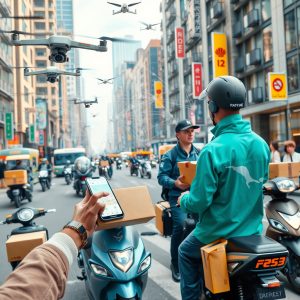
Gone are the days when businesses and consumers had to rely on vague delivery windows and periodic updates. Real-time package tracking has revolutionized the logistics landscape by providing minute-by-minute visibility into the whereabouts of shipments. This technology leverages GPS, IoT sensors, and cloud-based platforms to offer live updates, enabling businesses to monitor their supply chains with unprecedented accuracy. For corporate clients, this means fewer disruptions, better inventory management, and the ability to proactively address delays before they escalate into larger issues.
Moreover, real-time tracking enhances accountability. Courier services equipped with this technology can provide proof of delivery, geofenced alerts, and even temperature or humidity monitoring for sensitive shipments. This level of detail is particularly valuable for industries like pharmaceuticals, perishable goods, and high-value electronics, where conditions during transit can directly impact product integrity. By embedding tracking into their operations, businesses can build trust with clients and partners, demonstrating a commitment to reliability and transparency.
Contactless Delivery: The New Standard for Safety and Convenience
The rise of contactless delivery has been one of the most significant shifts in the logistics industry, accelerated by the global pandemic but sustained by its inherent benefits. This method eliminates the need for physical interaction during drop-offs, reducing health risks while also streamlining the delivery process. For businesses, contactless delivery means faster turnaround times, as couriers can leave packages in designated areas without waiting for signatures or confirmations. This is particularly advantageous for residential parcel drop-offs and bulk shipping, where efficiency is critical to scaling operations.
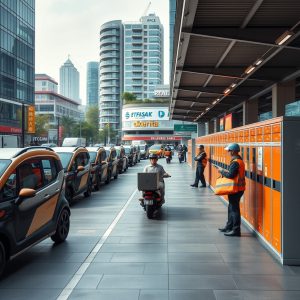
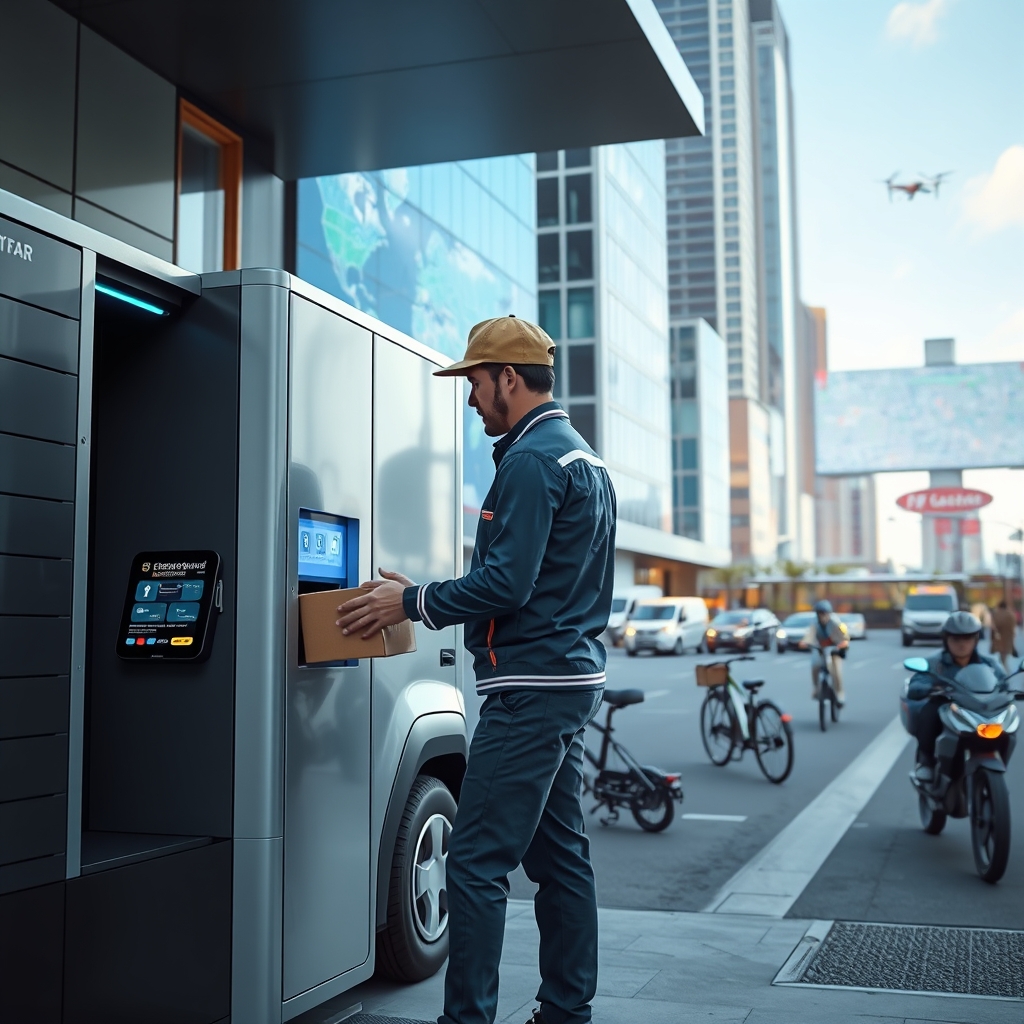
Beyond safety, contactless delivery aligns with the growing demand for convenience. Smart locker pickups, automated drop-off points, and digital proof of delivery are becoming standard features of modern courier services. These solutions cater to the on-demand expectations of today’s consumers, who prioritize flexibility and minimal friction in their interactions. For corporate logistics, this translates to fewer missed deliveries, reduced operational costs, and higher customer satisfaction rates. The ability to offer contactless options also positions businesses as forward-thinking and adaptable, qualities that are increasingly valued in a fast-paced market.
Integrating Real-Time Tracking and Contactless Delivery for Maximum Impact
The true power of these technologies lies in their synergy. When combined, real-time tracking and contactless delivery create a seamless logistics experience that benefits all stakeholders. For example, a business using scheduled parcel pickup can monitor its shipments in real time while ensuring that deliveries are completed without direct contact. This integration is particularly valuable for B2B delivery services, where timely and secure shipments are non-negotiable. Companies can use tracking data to optimize routes, reduce fuel consumption, and even predict potential bottlenecks, further enhancing operational efficiency.
E-commerce order fulfillment also stands to gain significantly from this combination. Retailers can provide customers with live updates on their orders, from dispatch to delivery, while ensuring that packages are left securely at their doorsteps or in smart lockers. This level of service not only meets but exceeds modern consumer expectations, fostering loyalty and repeat business. Additionally, the data generated by real-time tracking can be analyzed to identify trends, improve delivery windows, and personalize the customer experience, creating a virtuous cycle of continuous improvement.
The Role of Eco-Friendly Practices in Modern Logistics
As businesses and consumers become more environmentally conscious, the logistics industry is under pressure to adopt sustainable practices. Real-time tracking and contactless delivery play a pivotal role in this transition by enabling more efficient route planning and reducing unnecessary emissions. For instance, courier services can use tracking data to consolidate shipments, minimize idle time, and optimize fuel consumption, all of which contribute to a lower carbon footprint. Eco-friendly delivery options, such as electric vehicles or bike couriers for last-mile delivery, further enhance these efforts, making sustainability a core component of modern logistics strategies.
Moreover, contactless delivery reduces the need for paper-based processes, such as physical receipts or signatures, aligning with broader sustainability goals. Businesses that prioritize these practices not only reduce their environmental impact but also appeal to a growing segment of eco-conscious consumers. This dual benefit—operational efficiency and environmental responsibility—positions companies as leaders in both logistics and corporate social responsibility.
Leveraging Technology for Scalability and Flexibility
The adoption of real-time tracking and contactless delivery is not just about keeping up with trends; it’s about future-proofing logistics operations. As businesses scale, the ability to handle increased shipment volumes without compromising speed or accuracy becomes critical. Automated pickup services and smart logistics platforms enable companies to manage growth seamlessly, whether they are expanding their local courier services or venturing into nationwide freight shipping. These technologies also provide the flexibility to adapt to changing market conditions, such as sudden spikes in demand or disruptions in the supply chain.
For example, during peak seasons like holidays, businesses can rely on real-time tracking to monitor high-priority shipments and ensure they reach their destinations on time. Contactless delivery options can be scaled up to handle the increased volume, reducing the risk of delays or missed deliveries. This agility is a game-changer for businesses that operate in dynamic environments, allowing them to maintain high service levels even under pressure.
The logistics industry is undergoing a profound transformation, driven by the need for speed, transparency, and sustainability. Real-time package tracking and contactless delivery are at the heart of this evolution, offering businesses the tools they need to optimize their operations and exceed customer expectations. By embracing these technologies, companies can not only streamline their supply chains but also build a reputation for reliability and innovation. As the demand for faster, smarter, and greener logistics solutions continues to grow, those who invest in these advancements will be best positioned to lead the way in the future of corporate logistics.