The Future of Last Mile Delivery: How Technology and Innovation Are Shaping Faster, Smarter, and Greener Courier Services
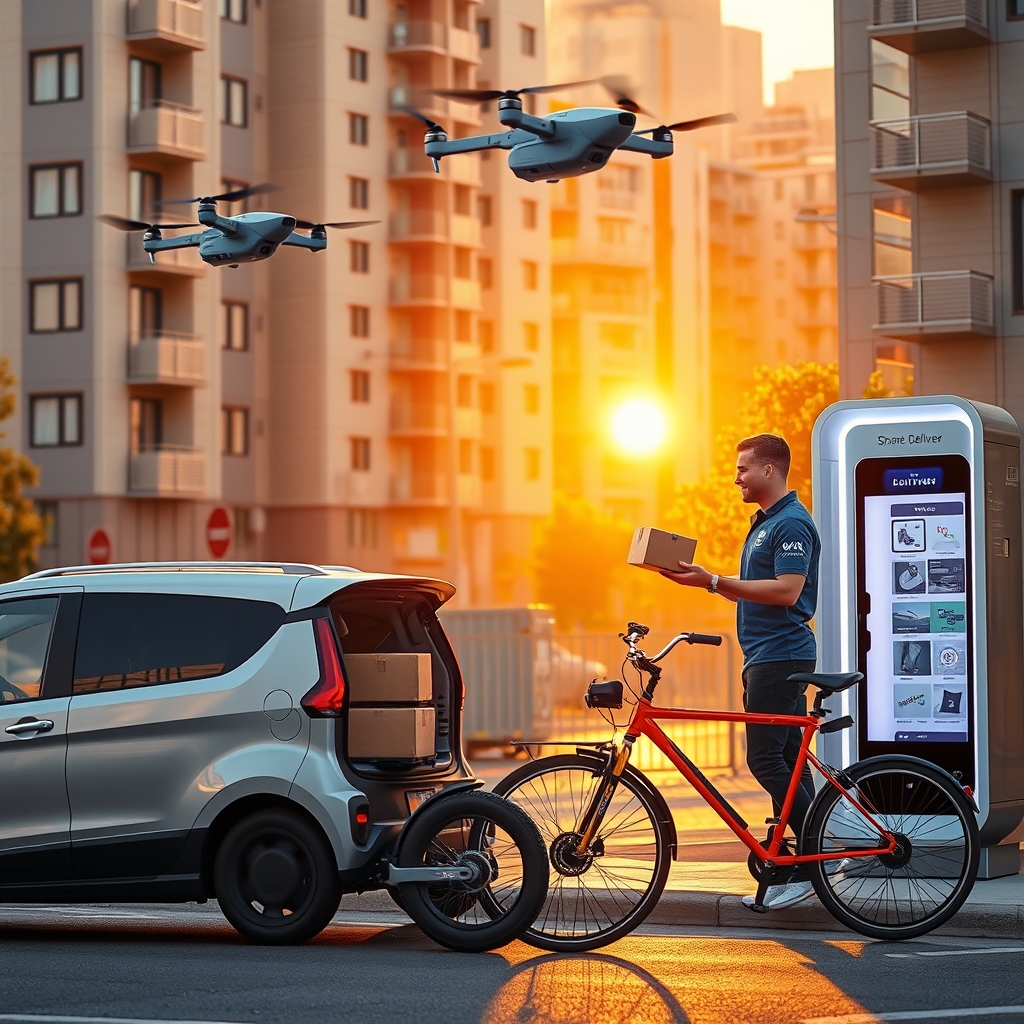
The logistics and courier industry has undergone a dramatic transformation in recent years, driven by the explosive growth of e-commerce, shifting consumer expectations, and rapid advancements in technology. At the heart of this evolution lies last mile delivery—the final and often most critical leg of the shipping journey, where packages transition from distribution centers to the hands of customers. As businesses and consumers alike demand faster, more flexible, and sustainable delivery options, courier services are rising to the challenge with innovative solutions that redefine convenience, efficiency, and environmental responsibility.
The Demand for Speed: Same-Day and On-Demand Delivery
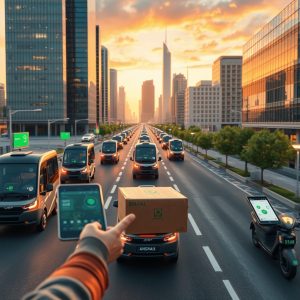
In an era where instant gratification is the norm, same-day package delivery and on-demand drop-off services have become essential for businesses looking to stay competitive. Retailers, healthcare providers, and even small businesses are leveraging these services to meet the growing expectation for near-instant fulfillment. Urban courier networks, powered by real-time routing algorithms and dynamic dispatch systems, can now deliver packages within hours, not days. This shift has not only enhanced customer satisfaction but also opened new revenue streams for companies that can promise—and deliver—speed without compromise.
For businesses, the ability to offer scheduled parcel pick-up and urgent document courier services means greater operational flexibility. Whether it’s a legal firm needing to send time-sensitive contracts or an e-commerce brand fulfilling a high-priority order, on-demand logistics ensure that critical deliveries are never delayed. The rise of automated pick-up services, such as smart lockers and contactless drop-off points, further streamlines the process, reducing wait times and minimizing human error.
Sustainability in Motion: The Push for Eco-Friendly Delivery
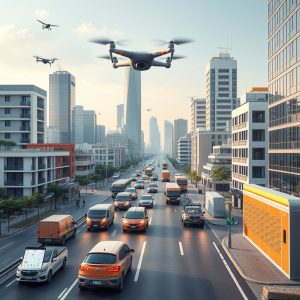
As environmental concerns take center stage, the logistics industry is under increasing pressure to adopt eco-friendly delivery practices. Traditional delivery methods, reliant on fossil fuel-powered vehicles, contribute significantly to carbon emissions. In response, forward-thinking courier companies are investing in electric fleets, cargo bikes, and even drone deliveries to reduce their environmental footprint. These innovations not only align with corporate sustainability goals but also resonate with eco-conscious consumers who prioritize green shipping options.
Beyond alternative fuels, companies are optimizing delivery routes to minimize fuel consumption and implementing bulk shipping discounts to encourage fewer, more consolidated shipments. Some are even exploring smart locker pick-up systems, which reduce the need for multiple delivery attempts by allowing customers to retrieve their packages at their convenience. These efforts are not just about compliance—they’re about future-proofing the industry in a world where sustainability is no longer optional but expected.
Technology as the Game-Changer: Real-Time Tracking and AI-Driven Logistics
The integration of technology into logistics has revolutionized how businesses and consumers interact with courier services. Real-time package tracking has become a standard expectation, providing transparency and peace of mind from the moment a package is dispatched until it reaches its destination. Advanced tracking systems, powered by GPS and IoT devices, allow customers to monitor their shipments in real time, receive instant notifications, and even reroute deliveries if needed.
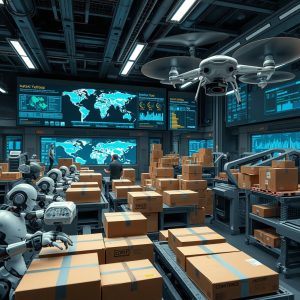
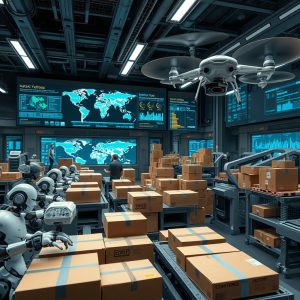
Artificial intelligence and machine learning are also playing a pivotal role in optimizing logistics operations. AI-driven predictive analytics help courier companies anticipate demand, allocate resources efficiently, and reduce delivery times. For example, dynamic routing algorithms can adjust delivery paths in real time based on traffic conditions, weather, or unexpected delays, ensuring that packages arrive as quickly as possible. Meanwhile, automated pick-up services and robotic sorting facilities are streamlining warehouse operations, reducing human error, and accelerating order fulfillment.
Meeting the Needs of Businesses: B2B and Specialized Courier Solutions
While consumer expectations drive much of the innovation in last mile delivery, businesses—particularly those in e-commerce, healthcare, and manufacturing—require specialized B2B delivery services tailored to their unique needs. Nationwide freight shipping and international parcel shipping solutions enable companies to expand their reach without the logistical headaches. Meanwhile, business courier solutions offer customized delivery windows, white-glove service for fragile or high-value items, and dedicated account management for enterprises with complex shipping requirements.
For industries like healthcare, where time-sensitive deliveries can be a matter of life and death, urgent document courier and medical sample transport services provide the reliability and speed needed to support critical operations. Similarly, e-commerce businesses rely on e-commerce order fulfillment partners to manage inventory, process orders, and ensure seamless last mile delivery—all while maintaining cost efficiency through bulk shipping discounts and optimized logistics networks.
The Human Touch in a Digital World
Despite the rapid digitization of logistics, the human element remains irreplaceable. Local courier services, in particular, thrive on the personal relationships they build with businesses and communities. Whether it’s a small business owner who relies on a trusted local courier service for daily deliveries or a residential customer who appreciates the convenience of contactless package drop-off, the ability to provide a personalized, reliable experience sets certain providers apart.
Even as automation and AI continue to reshape the industry, the most successful courier companies are those that strike a balance between cutting-edge technology and human-centric service. This means not only investing in the latest logistics software but also training delivery personnel to handle packages with care, communicate effectively with customers, and adapt to the unique challenges of last mile delivery.
The logistics landscape is evolving at an unprecedented pace, with technology, sustainability, and customer expectations driving continuous innovation. From same-day package delivery to eco-friendly shipping and AI-powered tracking, the tools and strategies shaping the future of last mile delivery are making it faster, smarter, and more sustainable than ever before. As businesses and consumers alike embrace these advancements, the courier industry will continue to play a pivotal role in connecting the world—one package at a time, with efficiency, reliability, and a commitment to a greener future.