Eco-Friendly Courier: Sustainable Delivery Solutions for a Greener Planet
The logistics industry has long been a significant contributor to global carbon emissions, with traditional delivery methods relying heavily on fossil fuels and non-recyclable materials. However, as environmental awareness grows, so does the demand for sustainable alternatives. Eco-friendly courier services are emerging as a powerful solution, offering innovative ways to reduce the ecological impact of deliveries while maintaining efficiency and reliability. These services are not just a trend—they represent a fundamental shift toward a more responsible and sustainable future.
The Rise of Electric and Low-Emission Vehicles
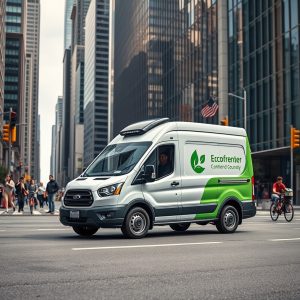
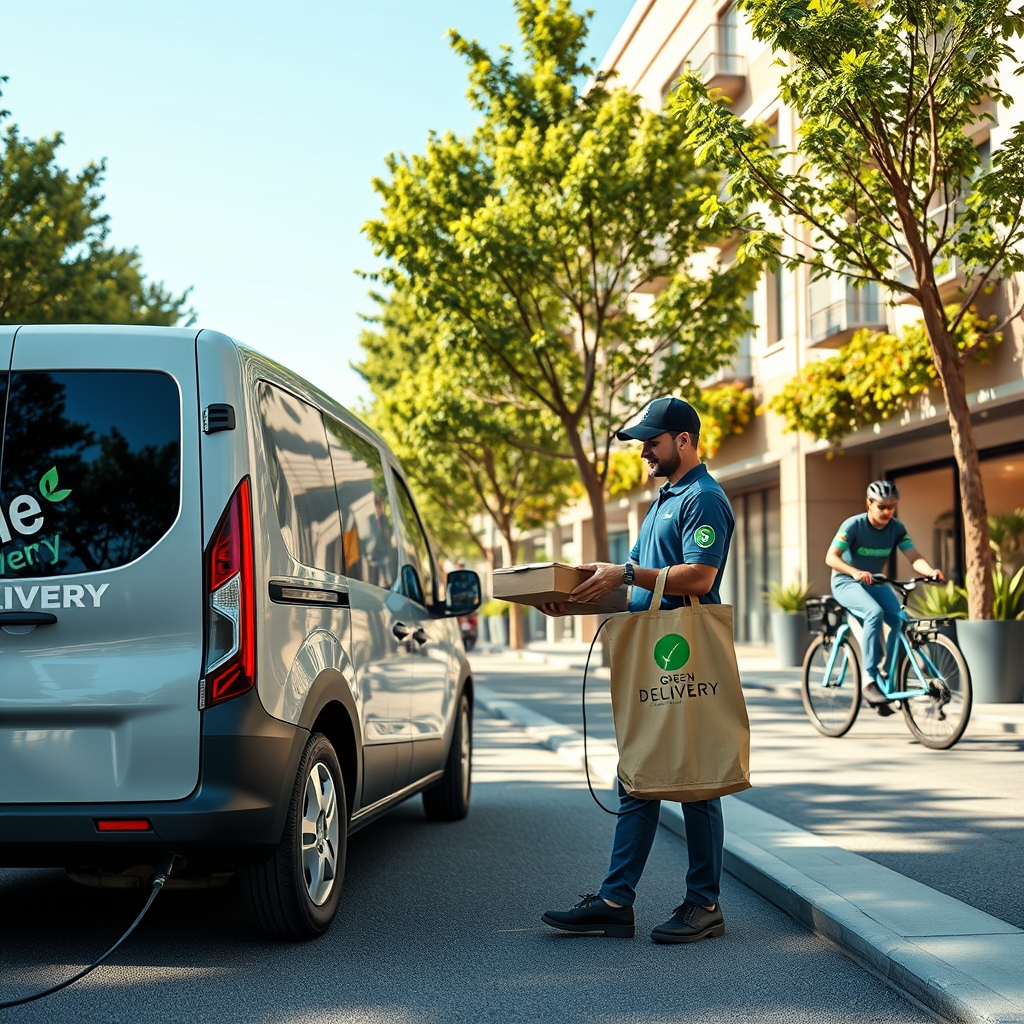
One of the most impactful changes in the courier industry is the adoption of electric and low-emission vehicles. Traditional delivery trucks and vans, which run on diesel or gasoline, release substantial amounts of carbon dioxide and other harmful pollutants into the atmosphere. In contrast, electric vehicles (EVs) produce zero tailpipe emissions, significantly reducing the carbon footprint of each delivery. Companies like Amazon, DHL, and UPS have already begun integrating electric vans and e-cargo bikes into their fleets, proving that large-scale sustainable delivery is not only possible but also practical.
Beyond electric vehicles, some courier services are exploring alternative fuels such as hydrogen and biofuels. Hydrogen-powered trucks, for example, emit only water vapor, making them an attractive option for long-haul deliveries. Meanwhile, biofuels derived from organic waste or plant materials offer a renewable energy source that can power existing diesel engines with minimal modifications. These innovations demonstrate that the transition to greener logistics is well underway, with technology playing a crucial role in driving change.
Biodegradable and Recyclable Packaging
Packaging is another critical area where the courier industry can make a substantial environmental impact. Traditional packaging materials, such as plastic bubble wrap, Styrofoam, and non-recyclable cardboard, contribute to the growing problem of waste and pollution. Eco-friendly courier services are addressing this issue by adopting biodegradable, compostable, and recyclable packaging solutions. Materials like mushroom-based packaging, cornstarch peanuts, and recycled paper are becoming increasingly popular, offering the same protection for goods without the environmental harm.
In addition to using sustainable materials, some companies are rethinking packaging design to minimize waste. For instance, right-sized packaging ensures that boxes are no larger than necessary, reducing the need for excess filler materials. Others are implementing reusable packaging systems, where containers are returned, cleaned, and reused multiple times. These practices not only reduce waste but also lower costs in the long run, making them a win-win for both businesses and the environment.
Carbon Offset Programs: Balancing the Scales
While reducing emissions and waste is a priority, some aspects of the courier industry still rely on carbon-intensive processes. To address this, many eco-friendly courier services are turning to carbon offset programs. These initiatives allow companies to invest in environmental projects—such as reforestation, renewable energy, or conservation efforts—that compensate for the emissions they cannot yet eliminate. For example, a courier service might calculate the carbon footprint of its deliveries and then fund the planting of trees to absorb an equivalent amount of CO2 from the atmosphere.
Carbon offset programs are not a perfect solution, as they do not directly reduce emissions. However, they provide a valuable stopgap while the industry continues to innovate and transition to fully sustainable practices. When combined with other eco-friendly measures, such as electric vehicles and sustainable packaging, carbon offsets can help courier services achieve net-zero emissions and contribute to global climate goals.
The Role of Technology in Sustainable Logistics
Technology is a driving force behind the shift toward eco-friendly courier services. Advanced route optimization software, for example, helps delivery drivers find the most efficient paths, reducing fuel consumption and emissions. Artificial intelligence (AI) and machine learning are also being used to predict demand, optimize warehouse locations, and streamline supply chains, further minimizing the environmental impact of logistics operations.
Blockchain technology is another tool that is gaining traction in the sustainable logistics space. By providing a transparent and tamper-proof record of every step in the supply chain, blockchain ensures that eco-friendly practices are genuinely being followed. This level of accountability is crucial for building trust with consumers who prioritize sustainability and want to ensure their choices align with their values.
Consumer Demand Driving Change
The growing demand for sustainable delivery options is largely driven by consumers who are increasingly conscious of their environmental impact. A recent survey found that over 60% of customers are willing to pay more for eco-friendly shipping, and many prefer to support businesses that prioritize sustainability. This shift in consumer behavior is pushing courier companies to adopt greener practices or risk losing market share to more environmentally responsible competitors.
E-commerce giants like Etsy and Shopify have responded to this demand by offering carbon-neutral shipping options at checkout. Smaller businesses are also getting involved, partnering with eco-friendly courier services to provide sustainable delivery choices for their customers. As more companies embrace these practices, the entire logistics industry is being transformed, making sustainability the new standard rather than the exception.
Challenges and the Road Ahead
Despite the progress being made, the transition to fully sustainable courier services is not without its challenges. The upfront costs of electric vehicles and renewable energy infrastructure can be prohibitive for smaller companies. Additionally, the lack of widespread charging stations and renewable energy sources in some regions can limit the adoption of green technologies. However, as governments and private sectors invest in sustainable infrastructure, these barriers are gradually being overcome.
Another challenge is the need for industry-wide collaboration. Sustainable logistics cannot be achieved by a single company alone—it requires coordination among courier services, manufacturers, policymakers, and consumers. Initiatives like the Sustainable Shipping Initiative and the Green Freight Europe program are bringing stakeholders together to share best practices and drive collective action. By working together, the industry can accelerate the transition to a greener future.
The journey toward sustainable delivery is an ongoing one, but the progress made so far is encouraging. Every electric vehicle on the road, every biodegradable package shipped, and every carbon offset project funded brings us one step closer to a planet where logistics and environmental responsibility go hand in hand. The choices we make today—whether as businesses, consumers, or policymakers—will shape the future of our planet for generations to come. By embracing eco-friendly courier solutions, we are not just delivering packages; we are delivering a promise of a healthier, more sustainable world.