
Next Day Parcel Delivery: Balancing Speed, Cost, and Reliability
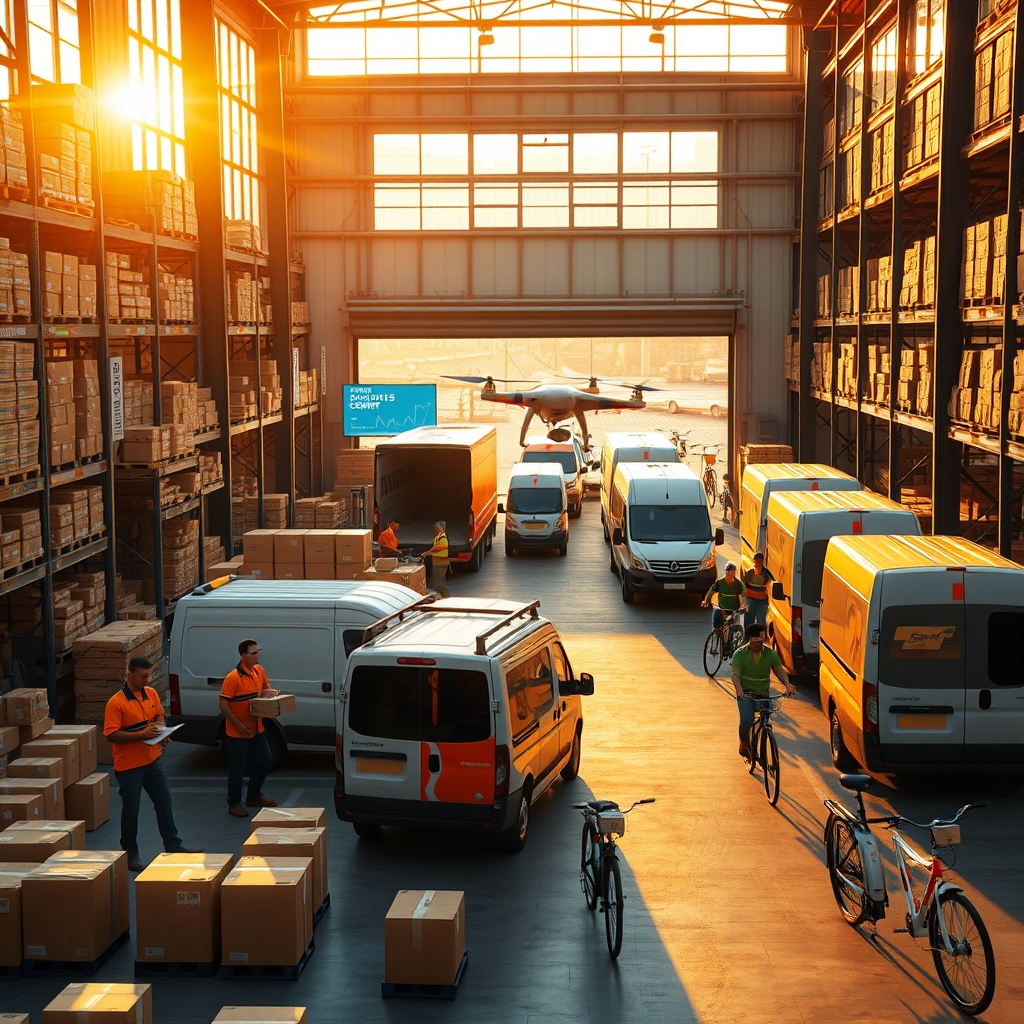
In an era where instant gratification is not just desired but expected, next-day parcel delivery has become a cornerstone of modern commerce. Consumers and businesses alike rely on the promise of swift, dependable shipping to keep operations running smoothly and customers satisfied. However, behind the seamless experience of clicking “order” and receiving a package the very next day lies a complex web of logistical challenges, cost considerations, and reliability demands. Striking the right balance between these three pillars—speed, cost, and reliability—is the key to success in the competitive world of next-day delivery.
The Rising Demand for Speed
The expectation for next-day delivery has been fueled by e-commerce giants that have set new standards for shipping speeds. Companies like Amazon, with their Prime service, have conditioned consumers to anticipate rapid turnaround times, often at little to no additional cost. This shift has created a ripple effect across the industry, compelling businesses of all sizes to rethink their delivery strategies. For retailers, offering next-day delivery is no longer a luxury but a necessity to remain competitive.
However, speed comes at a price. Expedited shipping requires optimized routes, advanced logistics software, and often, a network of strategically located fulfillment centers. The closer a package is to its final destination at the time of order, the higher the likelihood of meeting next-day delivery promises. This is why many companies are investing in regional hubs and micro-fulfillment centers to reduce transit times and improve efficiency.
The Cost Conundrum
While speed is a critical factor, cost remains a significant consideration for both businesses and consumers. Next-day delivery services often incur higher expenses due to the need for faster transportation methods, such as air freight or dedicated delivery fleets. These costs can quickly add up, especially for small and medium-sized businesses that may not have the same economies of scale as larger corporations.
To mitigate these expenses, companies are exploring innovative solutions. One approach is dynamic pricing, where shipping costs are adjusted based on factors like distance, demand, and delivery windows. Another strategy involves partnering with third-party logistics providers (3PLs) to share resources and reduce overhead. Additionally, businesses are leveraging technology to optimize delivery routes, reducing fuel consumption and vehicle wear and tear, which in turn lowers operational costs.
Balancing Cost and Customer Expectations
Finding the sweet spot between cost and customer expectations is a delicate dance. Offering free next-day delivery can be a powerful marketing tool, but it can also erode profit margins if not managed carefully. Some businesses have adopted a tiered approach, where customers can choose between standard, expedited, and next-day delivery options, each with varying price points. This not only provides flexibility but also allows companies to recoup some of the costs associated with faster shipping.
Another cost-saving measure is the use of hybrid delivery models. For example, some companies combine ground shipping with local courier services to handle the final leg of the delivery. This approach can be more cost-effective than relying solely on national carriers, especially for urban areas with high delivery densities.
The Reliability Factor
Speed and cost are meaningless if the delivery fails to arrive on time or in good condition. Reliability is the backbone of next-day parcel delivery, and even a single missed deadline can damage a company’s reputation. To ensure consistency, businesses must invest in robust tracking systems, real-time updates, and contingency plans for unexpected disruptions, such as weather delays or transportation strikes.
One of the biggest challenges in maintaining reliability is managing last-mile delivery—the final step in the shipping process where packages are transported from a local hub to the customer’s doorstep. This stage is often the most unpredictable, as it involves navigating traffic, addressing incorrect addresses, and handling customer availability. To overcome these hurdles, companies are turning to advanced technologies like artificial intelligence (AI) and machine learning to predict potential delays and optimize delivery routes in real time.
Building Trust Through Transparency
Transparency is a critical component of reliability. Customers appreciate being kept in the loop about their delivery status, from the moment their order is processed to the time it arrives at their door. Providing real-time tracking information, estimated delivery windows, and proactive notifications about delays can significantly enhance the customer experience. Moreover, transparency builds trust, which is essential for fostering long-term customer loyalty.
Businesses are also exploring the use of blockchain technology to improve transparency and security in the delivery process. By creating an immutable record of each transaction, blockchain can help prevent fraud, reduce errors, and ensure that packages are delivered to the correct recipients. While still in its early stages, this technology has the potential to revolutionize the way deliveries are tracked and verified.
Innovations Shaping the Future of Next-Day Delivery
The future of next-day parcel delivery is being shaped by a wave of technological innovations. Drones and autonomous vehicles, for instance, are being tested as potential solutions for last-mile delivery. These technologies could significantly reduce delivery times and costs, especially in hard-to-reach or densely populated areas. While regulatory and safety concerns remain, the potential benefits are too significant to ignore.
Another emerging trend is the use of predictive analytics to anticipate demand and optimize inventory placement. By analyzing historical data and market trends, businesses can position their products closer to areas where demand is expected to spike, reducing the need for expedited shipping and lowering costs. This proactive approach not only improves efficiency but also enhances the overall customer experience.
Sustainability is also becoming a key consideration in next-day delivery. As consumers become more environmentally conscious, businesses are under pressure to reduce their carbon footprint. This has led to the adoption of electric delivery vehicles, route optimization to minimize fuel consumption, and even the use of bicycles for urban deliveries. While these initiatives may not directly impact speed or cost, they contribute to a company’s reputation and appeal to eco-conscious consumers.
The landscape of next-day parcel delivery is a dynamic one, where the interplay of speed, cost, and reliability continues to evolve. Businesses that can navigate these challenges with agility and innovation will not only meet the demands of today’s consumers but also set the stage for the future of commerce. The key lies in embracing technology, fostering transparency, and finding creative solutions to balance the competing priorities that define this fast-paced industry. As the expectations of consumers grow, so too must the strategies of businesses, ensuring that the promise of next-day delivery remains not just a possibility, but a consistent reality.