The Symphony of Speed and Sustainability: How Optimized Last Mile Delivery is Composing the Future of Logistics
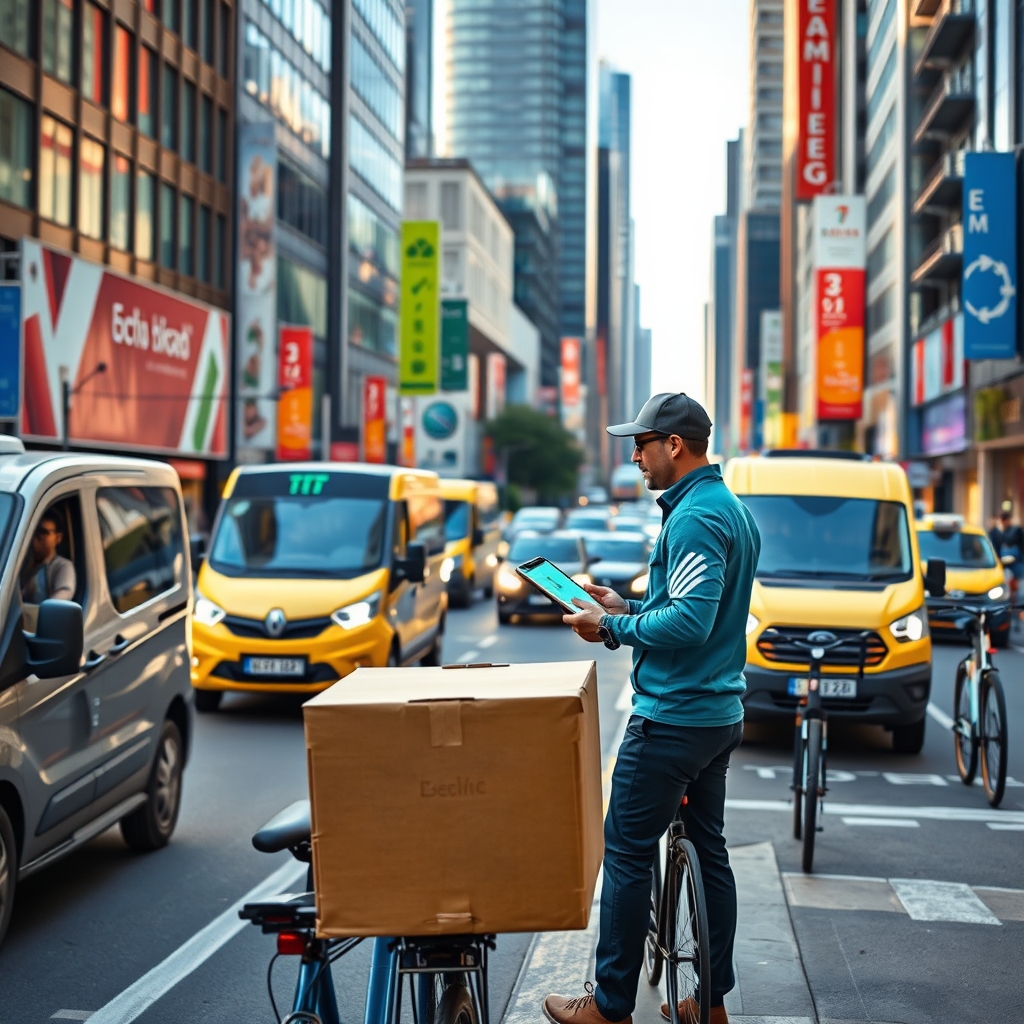
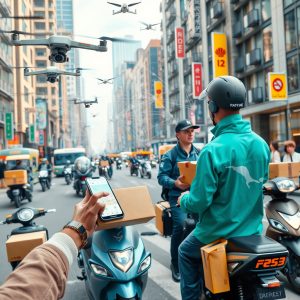
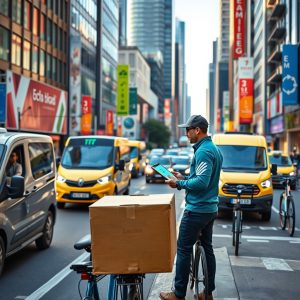
In the bustling heart of urban logistics, the last mile delivery is often the most challenging yet crucial segment. It’s the final stretch where packages, once safely tucked away in warehouses, are brought to the doorsteps of customers. This segment, though seemingly simple, is fraught with complexities that can make or break a delivery experience.
Understanding the Last Mile Delivery
The last mile delivery is the final leg of the journey that starts from the warehouse and ends at the customer’s doorstep. It’s a complex process that involves multiple stakeholders, including the logistics provider, the delivery personnel, and the customer. The success of this process is often measured by the speed, efficiency, and customer satisfaction.
Optimizing the Last Mile Delivery
Optimizing the last mile delivery is a multifaceted challenge that requires a holistic approach. It’s not just about the speed of delivery but also about the sustainability, transparency, and customer experience. Here are some key strategies that can help in optimizing the last mile delivery:
Real-Time Tracking and Personalized Logistics
Real-time tracking is a game-changer in the world of last mile delivery. It provides customers with the ability to track their packages from the moment they leave the warehouse until they reach their doorstep. This transparency builds trust and reduces the anxiety associated with waiting for a delivery. Personalized logistics, on the other hand, involves tailoring the delivery process to the specific needs of the customer. This could include preferred delivery times, specific instructions for handling the package, or even personalized messages from the delivery personnel.
Sustainable Delivery Solutions
Sustainability is no longer just a buzzword in the logistics industry. It’s a necessity. Sustainable delivery solutions involve using eco-friendly vehicles, optimizing delivery routes to reduce fuel consumption, and using recyclable or biodegradable packaging materials. These solutions not only help in reducing the carbon footprint of the delivery process but also appeal to the environmentally conscious customers.
Automated Fulfillment Process
Automation is revolutionizing the logistics industry. Automated fulfillment processes involve the use of robots and AI to handle tasks such as picking, packing, and even delivery. This not only speeds up the process but also reduces the margin for error. It’s a win-win situation for both the logistics provider and the customer.
Predictive Delivery Analytics
Predictive delivery analytics involves the use of data and AI to predict the best time and route for a delivery. This is based on factors such as traffic conditions, weather, and even the customer’s past delivery history. This not only ensures that the delivery is made on time but also optimizes the use of resources.
Hyper-Local Delivery Networks
Hyper-local delivery networks involve the use of micro-hubs or mini-warehouses located in close proximity to the delivery areas. This reduces the distance that the package needs to travel, thereby speeding up the delivery process. It also allows for more frequent deliveries, which is particularly useful for e-commerce businesses that need to cater to a large customer base.
In conclusion, optimizing the last mile delivery is a complex process that requires a holistic approach. It’s about balancing speed, sustainability, transparency, and customer experience. By leveraging technologies such as real-time tracking, personalized logistics, sustainable delivery solutions, automated fulfillment processes, predictive delivery analytics, and hyper-local delivery networks, logistics providers can create a seamless and efficient last mile delivery experience. This not only benefits the customers but also helps in building a strong brand reputation for the logistics provider.