The Green Last Mile: How Sustainable Delivery Solutions and Hyper-Local Networks Are Redefining Urban Logistics
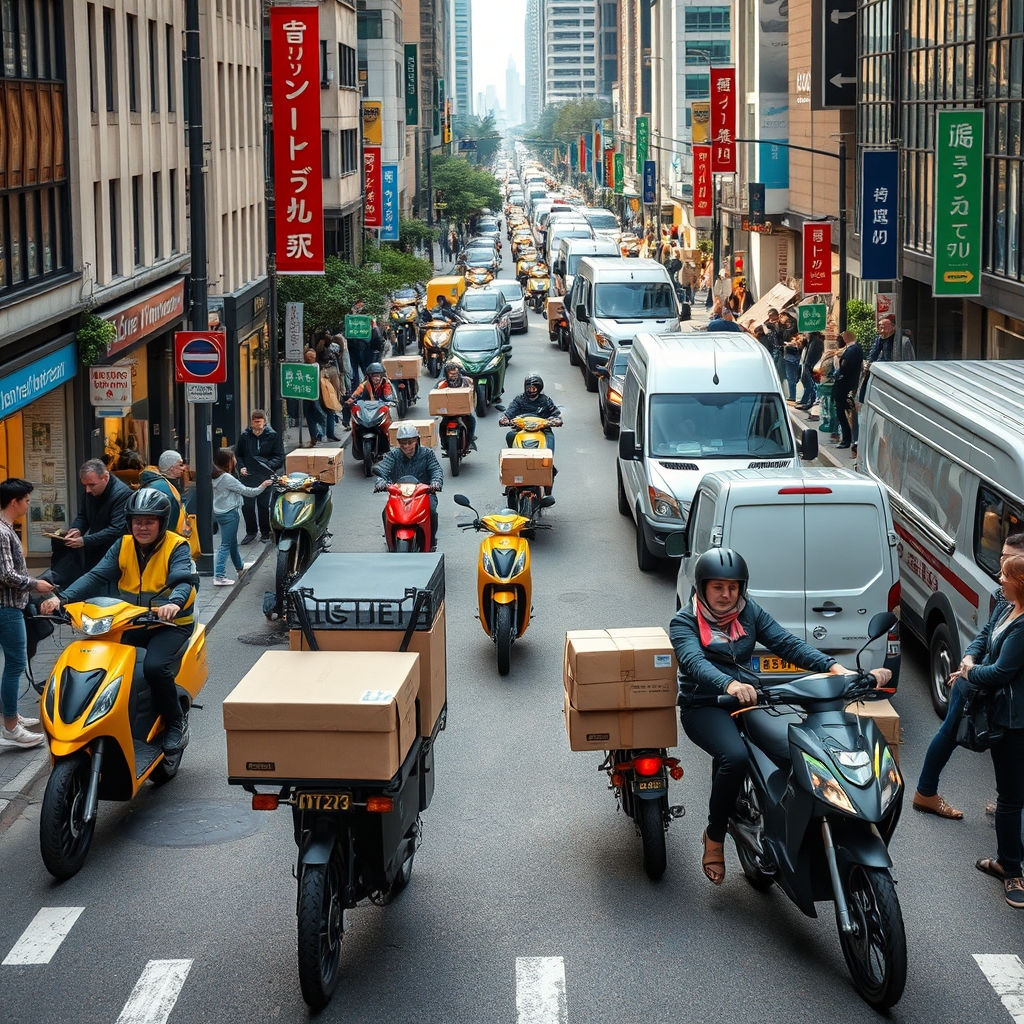
In the bustling heart of urban logistics, the last mile delivery is often the most overlooked yet crucial segment of the supply chain. It’s where the rubber meets the road, quite literally. The last mile is not just about getting a package from point A to point B; it’s about making a tangible difference in the lives of millions. It’s about ensuring that the fresh produce reaches the market on time, that the medicine arrives at the pharmacy without delay, and that the parcel finds its way to the customer’s doorstep.
Optimized Last Mile Delivery
Optimized last mile delivery is a game-changer in the logistics industry. It’s about leveraging technology to make the delivery process more efficient, cost-effective, and sustainable. By using real-time tracking and predictive analytics, logistics companies can optimize routes, reduce fuel consumption, and minimize delivery times. This not only benefits the environment but also the customers, who get their orders faster and with less carbon footprint.
Real-Time Tracking Experience
The real-time tracking experience is a significant aspect of optimized last mile delivery. It provides customers with transparency and control over their deliveries. With real-time tracking, customers can monitor the progress of their orders, know exactly when it will arrive, and even choose a preferred delivery time. This level of transparency fosters trust and satisfaction, making the customer feel more connected to the delivery process.
Customer-Centric Logistics
Customer-centric logistics is another key element of optimized last mile delivery. It’s about putting the customer at the center of the delivery process. This involves understanding customer needs and preferences, and tailoring the delivery experience accordingly. Whether it’s offering same-day delivery, providing flexible delivery windows, or offering personalized communication, customer-centric logistics ensures that the delivery experience is as seamless and satisfying as possible.
Sustainable Delivery Solutions
Sustainable delivery solutions are becoming increasingly important in the logistics industry. As the world becomes more environmentally conscious, there’s a growing demand for sustainable and eco-friendly delivery options. This includes using electric vehicles, optimizing routes to reduce fuel consumption, and using recyclable and biodegradable packaging materials. By adopting sustainable delivery solutions, logistics companies can reduce their carbon footprint, contribute to a healthier planet, and appeal to environmentally conscious customers.
Transparent Shipment Updates
Transparent shipment updates are a crucial part of sustainable delivery solutions. They provide customers with visibility into the environmental impact of their deliveries. By sharing information about the carbon footprint of the delivery, the type of vehicle used, and the distance traveled, customers can make more informed and sustainable choices. This not only benefits the environment but also empowers customers to make a difference.
Automated Fulfillment Process
The automated fulfillment process is another key aspect of sustainable delivery solutions. It involves using technology to automate various aspects of the fulfillment process, from order processing to inventory management. By automating these processes, logistics companies can reduce human error, improve efficiency, and minimize the environmental impact of the fulfillment process. This not only benefits the environment but also the bottom line, as automated processes are often more cost-effective and efficient.
Hyper-Local Delivery Networks
Hyper-local delivery networks are revolutionizing the last mile delivery landscape. They involve creating a network of local delivery hubs, each serving a specific geographic area. This allows for more efficient and cost-effective delivery, as packages can be consolidated and distributed locally. Hyper-local delivery networks also offer customers a more personalized and convenient delivery experience, with faster and more reliable deliveries.
Predictive Delivery Analytics
Predictive delivery analytics is a significant aspect of hyper-local delivery networks. It involves using data analytics to predict customer demand, optimize delivery routes, and improve inventory management. By leveraging predictive analytics, logistics companies can anticipate customer needs, optimize delivery routes, and ensure that the right products are available at the right time. This not only improves the efficiency and reliability of the delivery process but also enhances the overall customer experience.
Frictionless Returns Management
Frictionless returns management is another key element of hyper-local delivery networks. It involves creating a seamless and hassle-free returns process for customers. This includes offering flexible return policies, providing easy-to-use return portals, and offering convenient return options. By making the returns process as frictionless as possible, logistics companies can improve customer satisfaction, reduce the environmental impact of returns, and enhance the overall customer experience.
In conclusion, optimized last mile delivery, sustainable delivery solutions, and hyper-local delivery networks are reshaping the future of urban logistics. By leveraging technology, embracing sustainability, and creating a more personalized and convenient delivery experience, logistics companies can meet the evolving needs of customers and contribute to a more sustainable and efficient logistics industry. As the world becomes more connected and environmentally conscious, the role of optimized last mile delivery, sustainable delivery solutions, and hyper-local delivery networks will only become more critical and impactful.