The Green Last Mile: How Eco-Friendly Delivery Solutions Are Transforming Corporate Logistics
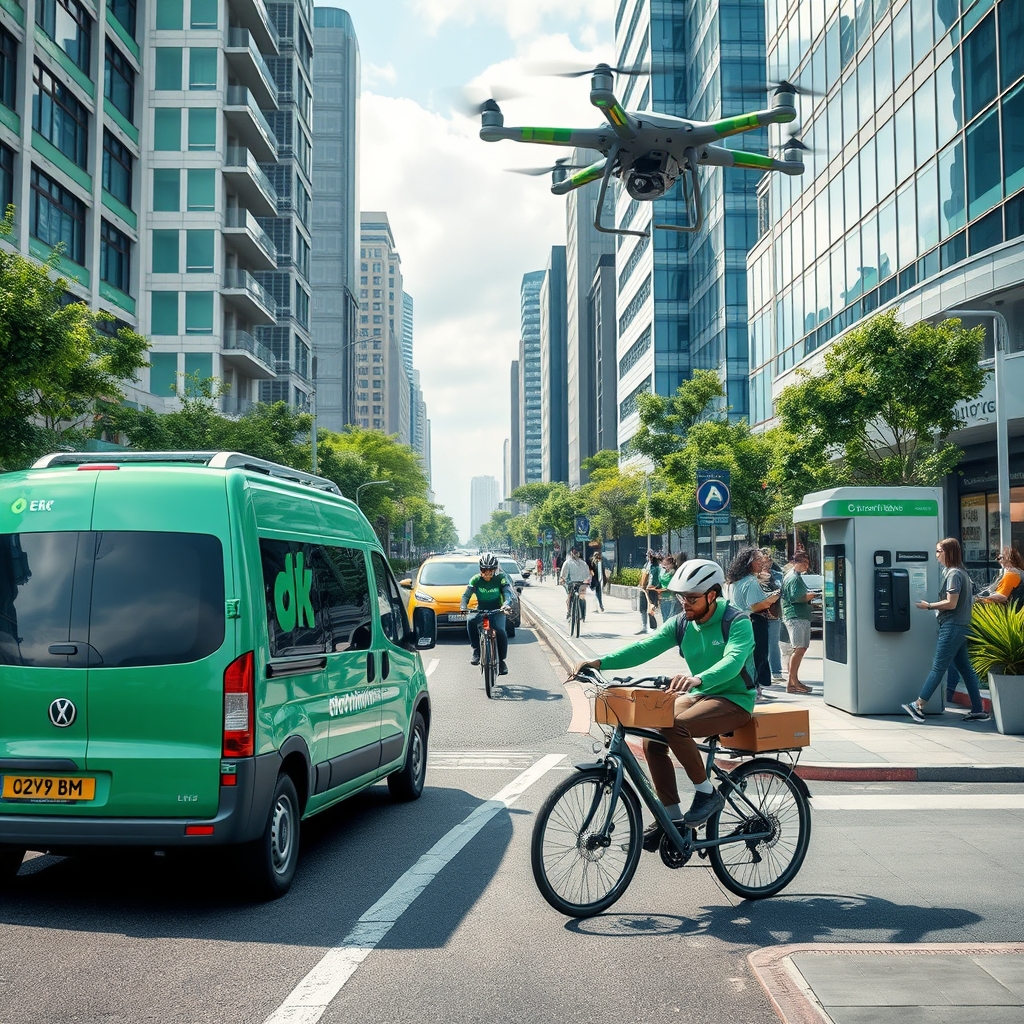
In an era where sustainability is no longer a choice but a necessity, businesses across the globe are re-evaluating their logistics strategies to align with environmental goals. The last mile of delivery—the final step in the logistics chain where packages reach their ultimate destination—has emerged as a critical focus area. This segment, often the most carbon-intensive part of the shipping process, is undergoing a green transformation, driven by innovation, consumer demand, and regulatory pressures. Companies that embrace eco-friendly last mile delivery solutions are not only reducing their carbon footprint but also unlocking operational efficiencies and enhancing their brand reputation.
The Carbon Footprint of Traditional Last Mile Delivery
Traditional last mile delivery relies heavily on fossil fuel-powered vehicles, which contribute significantly to greenhouse gas emissions. In urban areas, the problem is exacerbated by traffic congestion, inefficient routing, and the sheer volume of deliveries. According to a report by the World Economic Forum, urban last mile deliveries are expected to increase by 78% by 2030, leading to a 30% rise in emissions if no action is taken. This alarming projection has prompted businesses to seek alternative solutions that prioritize sustainability without compromising on speed or reliability.
Innovative Eco-Friendly Delivery Solutions
The shift toward greener last mile delivery is being powered by a combination of technology, infrastructure, and creative logistics strategies. Here are some of the most impactful innovations reshaping the industry:
Electric and Low-Emission Vehicles
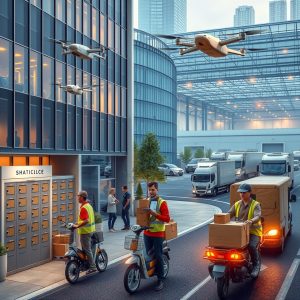
One of the most straightforward yet effective ways to reduce emissions is by transitioning delivery fleets to electric or low-emission vehicles. Companies like Amazon, UPS, and DHL have already begun integrating electric vans, cargo bikes, and even drones into their last mile operations. These vehicles produce zero tailpipe emissions, significantly lowering the environmental impact of deliveries. Additionally, advancements in battery technology are extending the range and efficiency of electric vehicles, making them a viable option for longer routes.
Micro-Fulfillment Centers and Urban Hubs
To minimize the distance traveled during the last mile, businesses are establishing micro-fulfillment centers and urban hubs closer to their customers. These strategically located facilities allow for shorter delivery routes, reducing fuel consumption and emissions. For example, retailers like Walmart and Target are leveraging their physical stores as mini-distribution centers, enabling same-day or next-day deliveries with a smaller carbon footprint. This approach also supports local economies and reduces the need for long-haul transportation.
Smart Routing and AI Optimization
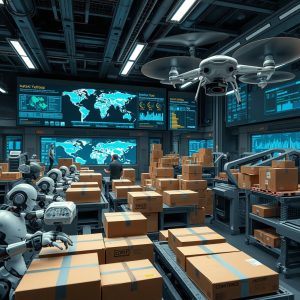
Artificial intelligence and machine learning are playing a pivotal role in optimizing delivery routes. By analyzing real-time traffic data, weather conditions, and delivery windows, AI-powered logistics platforms can identify the most efficient routes for drivers. This not only reduces fuel consumption but also improves delivery speed and reliability. Companies like Route4Me and OptimoRoute are leading the charge in this space, helping businesses cut emissions while enhancing customer satisfaction.
Crowdsourced and On-Demand Delivery
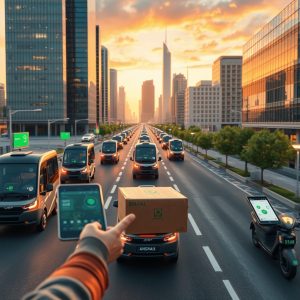
Crowdsourced delivery models, where independent contractors or local couriers handle last mile deliveries, are gaining traction as a sustainable alternative. Platforms like Uber Eats, DoorDash, and Instacart leverage existing local transportation networks, reducing the need for dedicated delivery fleets. This model also enables on-demand drop-offs and scheduled parcel pickups, further optimizing delivery efficiency. By tapping into underutilized resources, businesses can lower their environmental impact while meeting the growing demand for fast, flexible delivery options.
Smart Lockers and Contactless Pickup
Smart lockers and contactless pickup points are revolutionizing the way consumers receive their packages. These automated systems allow customers to retrieve their deliveries at their convenience, eliminating the need for multiple delivery attempts and reducing failed deliveries. Companies like Amazon and FedEx have deployed thousands of smart lockers in urban areas, cutting down on emissions associated with redelivery attempts. Additionally, these systems enhance security and provide a seamless, contact-free experience for customers.
The Business Case for Green Last Mile Delivery
While the environmental benefits of eco-friendly last mile delivery are clear, the business advantages are equally compelling. Companies that adopt sustainable logistics practices often experience cost savings through reduced fuel consumption, lower maintenance costs for electric vehicles, and improved operational efficiency. Moreover, consumers are increasingly prioritizing sustainability when choosing brands. A Nielsen study found that 73% of global consumers are willing to change their consumption habits to reduce their environmental impact, and 66% are willing to pay more for sustainable products and services. By aligning with these values, businesses can strengthen customer loyalty and differentiate themselves in a competitive market.
Regulatory pressures are also driving the adoption of green logistics. Governments around the world are implementing stricter emissions standards and incentives for businesses that reduce their carbon footprint. For example, the European Union has set ambitious targets to cut emissions from transportation by 90% by 2050, while cities like London and Paris are introducing low-emission zones that restrict access to high-polluting vehicles. Companies that proactively adopt eco-friendly delivery solutions will be better positioned to comply with these regulations and avoid potential penalties.
Overcoming Challenges in Sustainable Last Mile Delivery
Despite the clear benefits, transitioning to eco-friendly last mile delivery is not without its challenges. High upfront costs for electric vehicles and infrastructure can be a barrier for small and medium-sized businesses. However, government grants, tax incentives, and leasing options are making these technologies more accessible. Additionally, the limited range and charging infrastructure for electric vehicles can pose challenges for long-distance deliveries, though ongoing advancements in battery technology are addressing these issues.
Another challenge is the need for collaboration across the logistics ecosystem. Sustainable last mile delivery requires coordination between retailers, courier services, local governments, and consumers. For example, urban planning policies that support bike lanes, pedestrian zones, and charging stations can facilitate the adoption of electric vehicles and cargo bikes. Similarly, consumer education is crucial to encourage the use of smart lockers and contactless pickup options, which reduce the environmental impact of deliveries.
The future of corporate logistics lies in balancing efficiency, speed, and sustainability. As businesses continue to innovate and adapt, the last mile of delivery will become greener, smarter, and more customer-centric. The shift toward eco-friendly solutions is not just a trend but a fundamental transformation that will shape the logistics industry for decades to come. By embracing these changes today, companies can future-proof their operations, reduce their environmental impact, and meet the evolving expectations of consumers and regulators alike. The green last mile is no longer a distant goal—it is a present-day opportunity to drive meaningful change and create a more sustainable future for all.