
B2B Courier Network: Building Seamless Supply Chains for Businesses
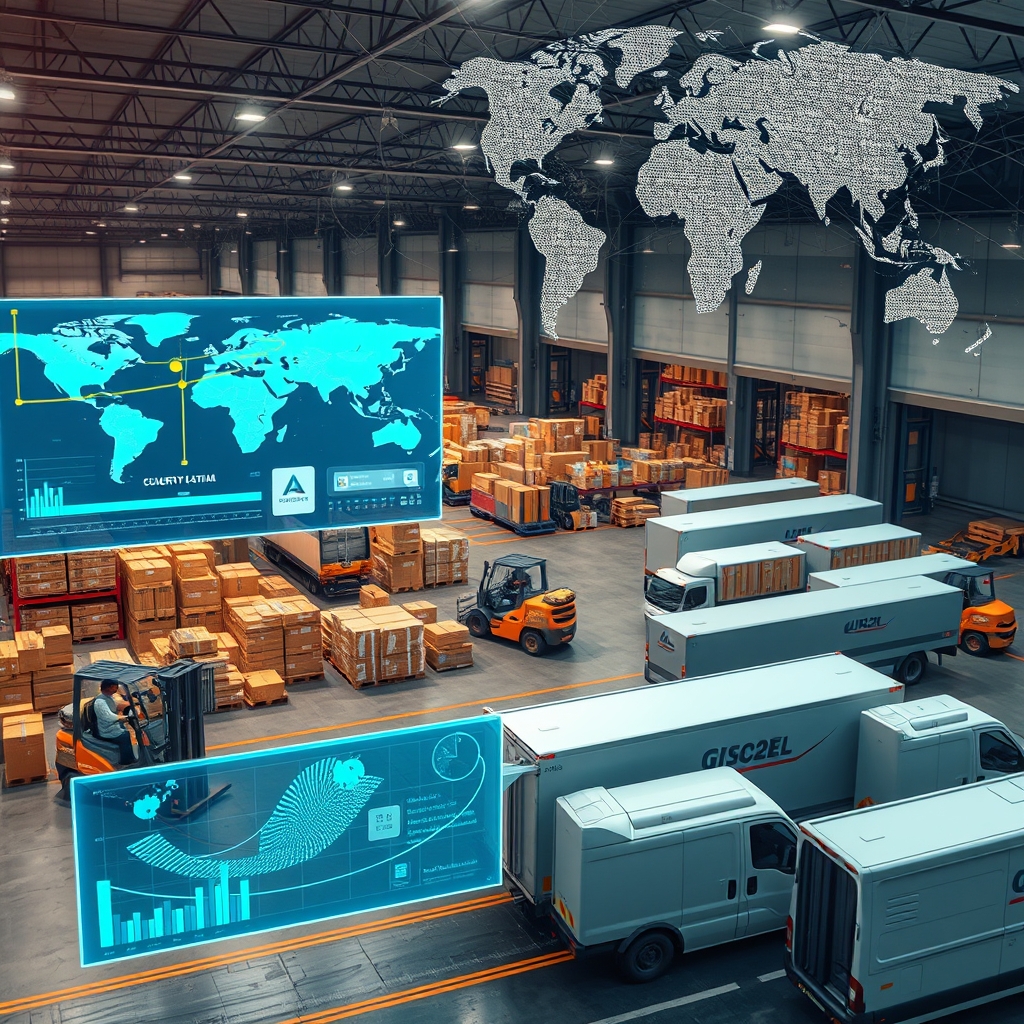
In today’s fast-paced global economy, businesses rely on efficient logistics to maintain competitive edges. A robust B2B courier network is no longer a luxury—it’s a necessity. These networks form the backbone of supply chains, ensuring that goods move swiftly, securely, and cost-effectively from manufacturers to distributors, retailers, and end consumers. For enterprises dealing with large volumes, the right courier solutions can mean the difference between seamless operations and costly disruptions.
The Evolution of B2B Courier Networks
Traditional courier services were once limited to small-scale deliveries, but the rise of e-commerce and global trade has transformed the industry. Modern B2B courier networks are designed to handle bulk shipments, time-sensitive deliveries, and complex logistics challenges. Companies now demand end-to-end visibility, real-time tracking, and customized solutions tailored to their unique operational needs. This shift has led to the emergence of specialized courier providers that focus exclusively on business-to-business transactions, offering scalability and reliability that generic carriers often cannot match.
Key Features of Premium B2B Courier Solutions
What sets premium B2B courier networks apart? First, they prioritize speed without compromising security. Businesses cannot afford delays, especially when dealing with perishable goods, high-value items, or time-bound contracts. Advanced courier networks leverage route optimization algorithms, dedicated fleets, and strategic hubs to minimize transit times while ensuring packages arrive intact.
Second, scalability is a cornerstone of effective B2B logistics. Whether a company ships 100 packages a day or 10,000, the courier network must adapt seamlessly. Premium providers offer flexible pricing models, bulk shipping discounts, and the ability to handle sudden spikes in demand—critical for businesses during peak seasons or promotional campaigns.
Third, technology integration plays a pivotal role. Modern courier networks provide APIs for seamless integration with enterprise resource planning (ERP) systems, warehouse management software, and e-commerce platforms. This connectivity allows businesses to automate shipping processes, generate real-time reports, and maintain transparency across the supply chain. Features like automated label generation, electronic proof of delivery, and predictive analytics further enhance efficiency.
Bulk Shipping Services: The Backbone of Large-Scale Operations
For businesses that move large quantities of goods, bulk shipping services are indispensable. These services are designed to handle palletized shipments, container loads, and even full truckloads, offering cost savings that individual parcel shipping cannot match. Bulk shipping is particularly valuable for industries like manufacturing, retail, and agriculture, where large, recurring shipments are the norm.
Cost Efficiency and Environmental Benefits
One of the most compelling advantages of bulk shipping is its cost efficiency. By consolidating multiple shipments into a single load, businesses reduce per-unit shipping costs significantly. This is especially beneficial for companies with high-volume, low-margin products, where logistics expenses can eat into profits. Additionally, bulk shipping reduces the carbon footprint of each delivery. Fewer trips mean lower fuel consumption and emissions, aligning with the growing demand for sustainable business practices.
Customization and Flexibility
Not all bulk shipments are created equal. Some require temperature-controlled environments, while others need specialized handling for fragile or hazardous materials. Premium B2B courier networks offer tailored solutions, such as refrigerated trucks for perishable goods, white-glove services for high-value items, and compliance with international regulations for cross-border shipments. This level of customization ensures that businesses can meet their specific logistical challenges without compromising on quality or safety.
Overcoming Challenges in B2B Logistics
Despite the advancements in courier networks, businesses still face logistical hurdles. One of the most common challenges is last-mile delivery. While bulk shipping is efficient for long-haul transportation, the final leg of the journey—delivering goods to their ultimate destination—can be fraught with delays and inefficiencies. Urban congestion, remote locations, and unpredictable weather conditions can all disrupt last-mile delivery. To combat this, courier networks are increasingly turning to innovative solutions like drone deliveries, local distribution centers, and crowd-sourced delivery models.
Another critical challenge is cross-border logistics. International shipments involve navigating a maze of customs regulations, tariffs, and compliance requirements. Delays at border crossings can lead to missed deadlines and unhappy customers. Premium B2B courier networks address this by offering dedicated customs clearance services, pre-clearance options, and partnerships with local logistics providers in key markets. These services streamline the process, reducing the risk of delays and ensuring that shipments reach their destinations on time.
The Role of Data in Optimizing Supply Chains
Data is the lifeblood of modern logistics. By analyzing shipping patterns, delivery times, and customer feedback, businesses can identify inefficiencies and optimize their supply chains. Advanced courier networks provide detailed analytics dashboards that offer insights into key performance indicators (KPIs) such as on-time delivery rates, transit times, and cost per shipment. Armed with this data, businesses can make informed decisions about carrier selection, route planning, and inventory management, ultimately driving down costs and improving service levels.
For example, a retailer might use data analytics to determine the most cost-effective shipping routes during the holiday season. By identifying trends in customer demand, they can pre-position inventory in strategic locations, reducing the need for expedited shipping and lowering overall logistics costs. Similarly, a manufacturer might use real-time tracking data to monitor the progress of a critical shipment, allowing them to proactively address any delays before they impact production schedules.
As businesses continue to expand their global footprint, the importance of a reliable B2B courier network cannot be overstated. The right logistics partner doesn’t just move goods—it empowers businesses to operate more efficiently, reduce costs, and deliver exceptional service to their customers. In an era where speed, transparency, and flexibility are paramount, investing in a premium courier network is not just a smart decision; it’s a strategic imperative that can drive long-term success and growth.