The Next Frontier in Corporate Logistics: How On-Demand Drop-Off and Smart Courier Solutions Are Redefining Efficiency
In an era where speed and reliability are the cornerstones of business success, corporate logistics has evolved far beyond traditional shipping models. Companies no longer have the luxury of waiting days for deliveries or relying on rigid schedules that don’t align with their operational needs. Instead, the demand for flexibility, real-time control, and seamless integration has given rise to a new paradigm in logistics—one where on-demand drop-off services, smart courier solutions, and automated systems are not just conveniences but necessities.
The Shift Toward On-Demand Logistics
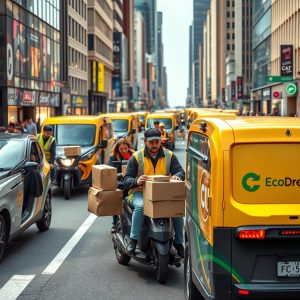
Gone are the days when businesses had to plan shipments weeks in advance or adhere to fixed pickup windows. The modern corporate landscape thrives on agility, and logistics providers have responded by offering on-demand drop-off and scheduled parcel pickup services that adapt to the rhythm of business operations. Whether it’s a last-minute document that needs to reach a client before a critical meeting or a time-sensitive package for a high-stakes project, companies can now initiate pickups with just a few clicks, often within hours—or even minutes—of the request.
This shift is particularly transformative for industries where time is money, such as legal, healthcare, and e-commerce. Law firms, for instance, can dispatch urgent contracts or court filings without the delays of traditional mail, while e-commerce businesses can fulfill orders faster by leveraging same-day package delivery to meet customer expectations. The ability to schedule pickups on the fly or drop off parcels at designated smart lockers or contactless hubs ensures that logistics no longer acts as a bottleneck but as an enabler of efficiency.
The Role of Technology in Streamlining Deliveries
At the heart of this logistics revolution is technology. Real-time package tracking has become a standard expectation, not just for consumers but for businesses that need to monitor high-value or time-sensitive shipments. Advanced tracking systems provide granular visibility, from the moment a package leaves a warehouse to its final delivery, allowing companies to proactively manage delays, reroute shipments, or update stakeholders with accurate ETAs.
Automated pickup services further enhance this efficiency by eliminating manual processes. Businesses can integrate courier APIs into their existing systems, enabling seamless scheduling, tracking, and even automated invoicing. For example, a retail chain can set up recurring pickups for bulk shipments to distribution centers, while a small business can use an app to request a courier for a one-off delivery. This level of automation reduces human error, cuts operational costs, and frees up resources to focus on core business activities.
Smart Lockers and Contactless Solutions: The Future of Last-Mile Delivery
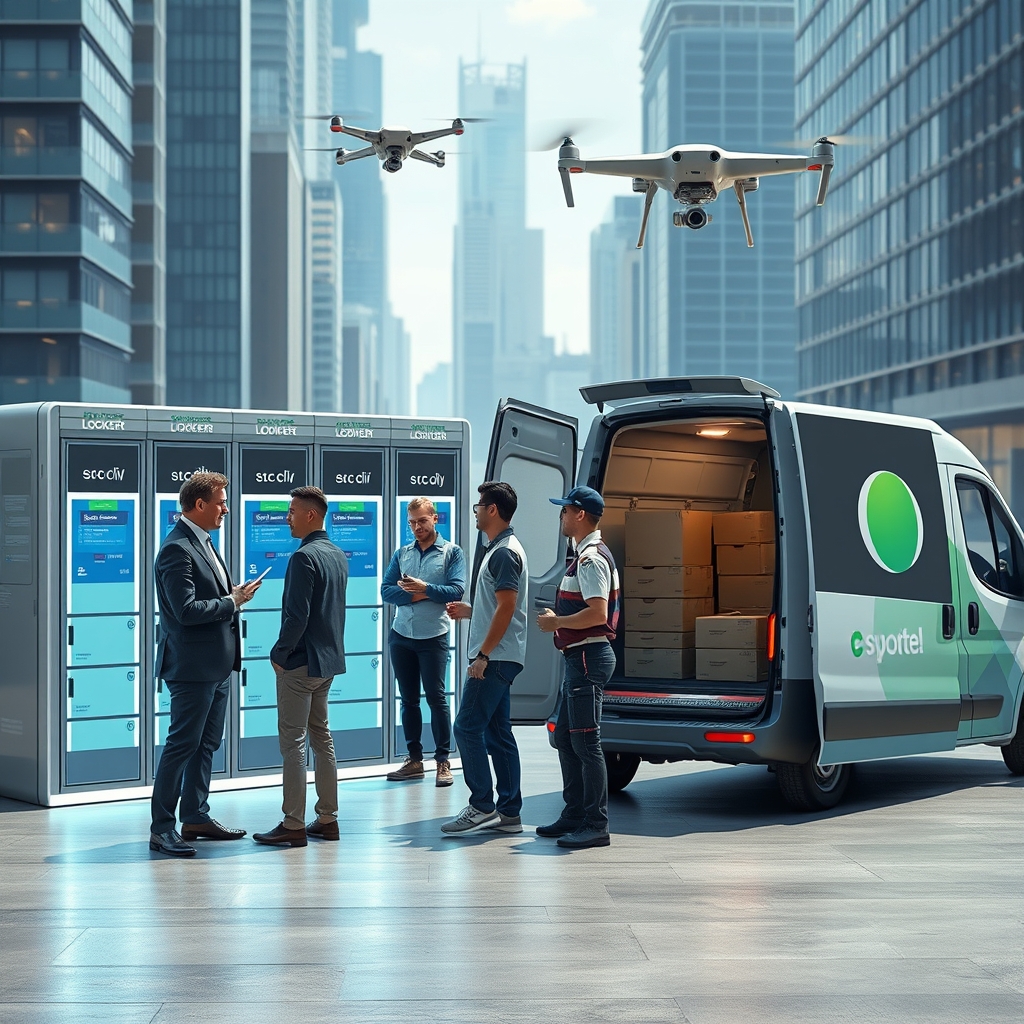
The last mile of delivery has long been the most challenging and expensive segment of the logistics chain. However, innovations like smart lockers and contactless drop-off points are reshaping this landscape. Smart lockers, strategically placed in urban centers, office buildings, or retail hubs, allow recipients to pick up their packages at their convenience, reducing failed delivery attempts and the associated costs. For businesses, this means fewer disruptions and a more predictable delivery process.
Contactless drop-off services, meanwhile, have gained traction not only for their convenience but also for their safety and hygiene benefits. In a post-pandemic world, businesses and consumers alike appreciate the ability to send and receive packages without physical interaction. This is particularly valuable for industries like pharmaceuticals or food delivery, where maintaining the integrity of the shipment is critical. By leveraging these solutions, companies can enhance customer satisfaction while minimizing operational risks.
Sustainability as a Competitive Advantage
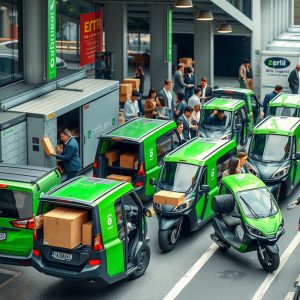
As environmental concerns take center stage, eco-friendly delivery options are no longer a niche offering but a key differentiator in corporate logistics. Businesses are increasingly seeking partners that prioritize sustainability, whether through electric delivery fleets, carbon-neutral shipping options, or optimized routes that reduce fuel consumption. Bulk shipping discounts further incentivize companies to consolidate shipments, lowering their carbon footprint while also cutting costs.
For e-commerce brands, sustainable logistics can be a powerful marketing tool. Consumers are more likely to support businesses that align with their values, and offering green delivery options can enhance brand loyalty. Moreover, regulatory pressures are pushing companies to adopt more sustainable practices, making eco-friendly logistics a strategic investment rather than just a moral obligation.
Global Reach, Local Precision
While local courier services excel at hyper-local deliveries, the global nature of modern commerce demands solutions that can scale across borders. International parcel shipping has become more accessible and reliable, thanks to advancements in cross-border logistics and compliance. Businesses can now ship products worldwide with the same level of transparency and efficiency as domestic deliveries, opening up new markets and revenue streams.
At the same time, local courier services remain indispensable for businesses that operate within specific regions. Whether it’s a same-day delivery for a local client or a scheduled pickup for a recurring shipment, these services provide the agility and personalization that large-scale freight providers often lack. The key is finding a logistics partner that can seamlessly integrate both local and global solutions, offering a unified experience regardless of the destination.
The logistics industry is no longer just about moving goods from point A to point B. It’s about doing so with precision, speed, and sustainability, all while adapting to the ever-changing needs of businesses. As technology continues to advance and consumer expectations evolve, companies that embrace on-demand drop-off services, smart courier solutions, and eco-friendly practices will not only stay ahead of the curve but redefine what’s possible in corporate logistics. The future belongs to those who can turn logistics from a back-end function into a strategic advantage, one delivery at a time.