The Strategic Fusion of On-Demand Drop-Off and Eco-Friendly Delivery: Revolutionizing Corporate Logistics for a Sustainable Future
In an era where speed and sustainability are no longer mutually exclusive, corporate logistics is undergoing a profound transformation. Businesses are increasingly seeking solutions that not only meet the demands of rapid delivery but also align with environmental goals. The fusion of on-demand drop-off services and eco-friendly delivery is emerging as a game-changer, offering a seamless blend of efficiency, flexibility, and sustainability that redefines how companies approach their supply chains.
The Rise of On-Demand Drop-Off in Corporate Logistics
On-demand drop-off services have revolutionized the way businesses handle their logistics operations. Unlike traditional scheduled pickups, which often come with rigid time windows and limited flexibility, on-demand drop-off allows companies to dispatch packages at their convenience. This agility is particularly valuable for businesses with fluctuating shipping volumes or urgent delivery needs. Whether it’s a last-minute document requiring same-day delivery or a bulk shipment that needs to be dispatched outside standard hours, on-demand drop-off provides the flexibility to adapt to real-time demands.
For corporate clients, this means reduced lead times, improved operational efficiency, and the ability to respond swiftly to customer demands. The integration of digital platforms has further streamlined the process, enabling businesses to schedule drop-offs, track shipments in real-time, and receive instant confirmations—all from a single interface. This level of control and visibility is invaluable in today’s fast-paced business environment, where delays can translate into lost opportunities and diminished customer trust.
Enhancing Last Mile Delivery with Local Courier Synergy
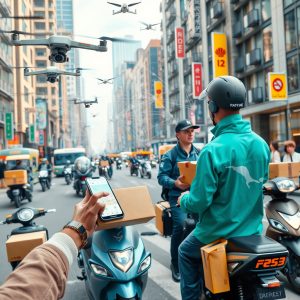
The last mile of delivery has long been a bottleneck in logistics, often accounting for a significant portion of shipping costs and environmental impact. Local courier services play a pivotal role in addressing this challenge by offering hyper-local expertise and agility. By partnering with local couriers, businesses can ensure faster, more reliable deliveries while reducing their carbon footprint. These couriers are often better equipped to navigate urban traffic, optimize delivery routes, and provide personalized service, all of which contribute to a more efficient last mile.
Moreover, local couriers can offer same-day or even two-hour delivery windows, which are increasingly becoming a standard expectation in both B2B and B2C markets. This level of responsiveness not only enhances customer satisfaction but also strengthens a company’s competitive edge. When combined with on-demand drop-off, local couriers create a powerful synergy that bridges the gap between speed and sustainability, making them an indispensable part of modern corporate logistics.
The Green Imperative: Eco-Friendly Delivery as a Corporate Priority
As environmental concerns take center stage, businesses are under growing pressure to adopt sustainable practices across their operations. Eco-friendly delivery is no longer just a buzzword—it’s a strategic imperative. Companies that fail to address their carbon footprint risk alienating environmentally conscious consumers and falling behind competitors who prioritize sustainability. Fortunately, advancements in logistics technology and innovative delivery models are making it easier than ever for businesses to go green without sacrificing efficiency.
One of the most effective ways to reduce the environmental impact of deliveries is through the use of electric vehicles (EVs) and alternative fuel options. Many courier services are now transitioning their fleets to EVs, which produce zero emissions and significantly lower the carbon footprint of each delivery. Additionally, route optimization software can minimize fuel consumption by identifying the most efficient paths, reducing unnecessary mileage and idle time. These technologies not only benefit the environment but also lower operational costs, creating a win-win scenario for businesses and the planet.
Smart Lockers and Contactless Delivery: The Future of Sustainable Logistics
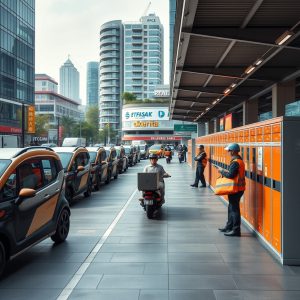
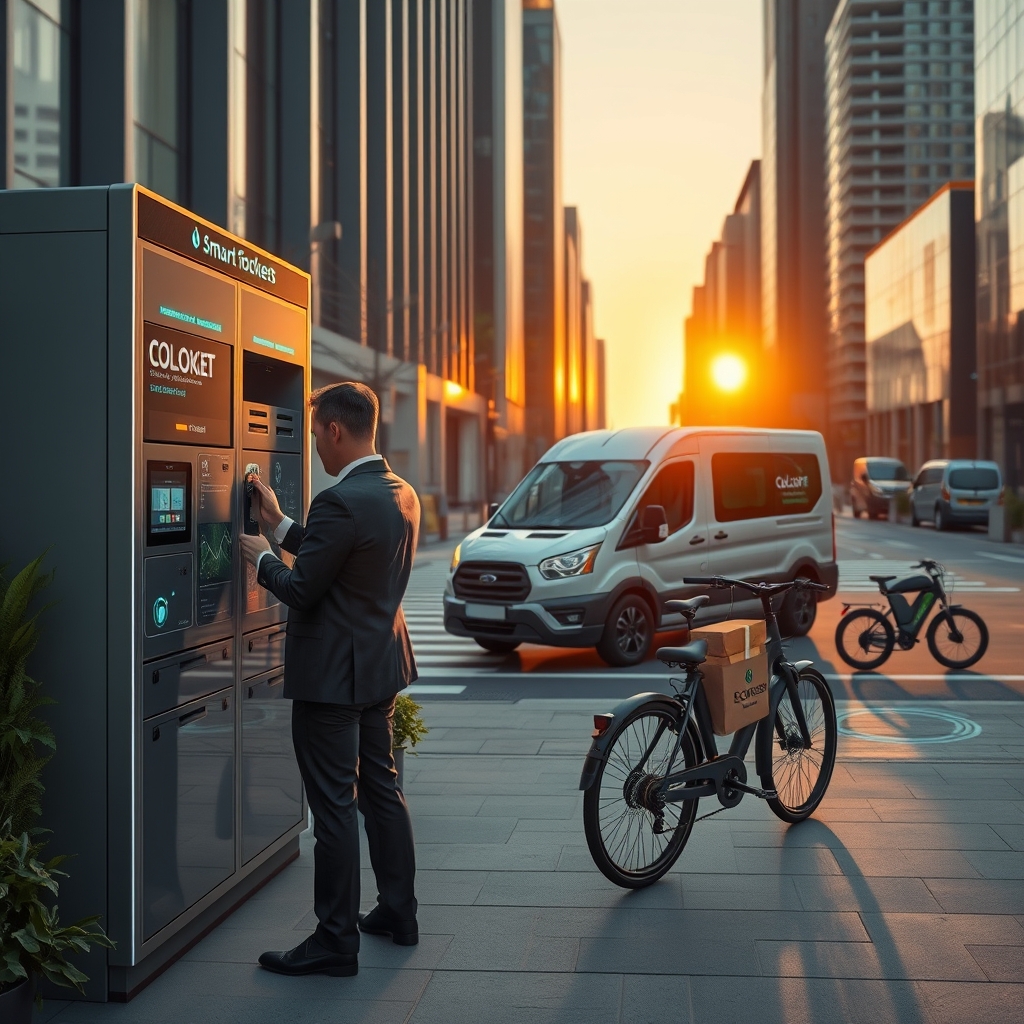
Smart lockers and contactless delivery solutions are another innovation that is reshaping the logistics landscape. These systems allow packages to be securely stored in centralized locations, reducing the need for multiple delivery attempts and minimizing failed deliveries. For businesses, this translates into lower shipping costs and improved efficiency. For consumers, it offers the convenience of picking up their packages at a time and place that suits them, without the hassle of missed deliveries or long wait times.
From an environmental perspective, smart lockers reduce the number of delivery vehicles on the road, cutting down on emissions and traffic congestion. They also enable more efficient use of resources, as couriers can deliver multiple packages to a single location in one trip. When combined with on-demand drop-off services, smart lockers create a seamless, eco-friendly delivery ecosystem that benefits businesses, consumers, and the environment alike.
B2B Delivery Services: Tailoring Solutions for Corporate Needs
While much of the focus in logistics innovation has been on B2C deliveries, B2B delivery services are equally critical to the success of modern businesses. Companies rely on timely, secure, and efficient delivery of goods and documents to maintain smooth operations, meet client demands, and stay ahead of the competition. On-demand drop-off and eco-friendly delivery solutions are particularly well-suited to B2B needs, offering the flexibility and sustainability that corporate clients demand.
For example, businesses that require urgent document courier services can benefit from same-day delivery options that ensure critical paperwork reaches its destination on time. Meanwhile, companies with bulk shipping needs can take advantage of discounted rates and automated pickup services, which streamline the shipping process and reduce administrative overhead. By integrating real-time tracking and contactless delivery options, B2B logistics providers can offer a level of transparency and security that builds trust and strengthens client relationships.
The Role of Real-Time Tracking in Corporate Logistics
Real-time tracking has become a cornerstone of modern logistics, providing businesses with unprecedented visibility into their shipments. This technology allows companies to monitor the progress of their deliveries in real-time, receive instant notifications of any delays or issues, and proactively communicate with clients about expected arrival times. For B2B deliveries, where timing and reliability are often critical, real-time tracking is a game-changer.
Beyond its operational benefits, real-time tracking also enhances sustainability by enabling more efficient route planning and reducing the likelihood of lost or misrouted shipments. When combined with eco-friendly delivery practices, such as electric vehicles and optimized routes, real-time tracking helps businesses minimize their environmental impact while maintaining high levels of service. This dual focus on efficiency and sustainability is what sets modern corporate logistics apart from traditional models.
The fusion of on-demand drop-off and eco-friendly delivery is not just a trend—it’s a fundamental shift in how businesses approach logistics. By embracing these innovations, companies can achieve faster, more reliable deliveries while reducing their environmental footprint. The result is a logistics ecosystem that is not only more efficient but also more sustainable, paving the way for a future where speed and sustainability go hand in hand. As businesses continue to adapt to the demands of a rapidly changing world, those that prioritize both agility and environmental responsibility will be best positioned to thrive in the years ahead.