The Future of Frictionless Logistics: How On-Demand Courier Services Are Redefining Speed, Flexibility, and Scalability
In an era where immediacy is not just desired but expected, the logistics industry is undergoing a seismic shift. Businesses and consumers alike demand faster, more flexible, and scalable delivery solutions that adapt to their evolving needs. The rise of on-demand courier services has emerged as a game-changer, transforming how packages move from point A to point B with unprecedented efficiency. No longer confined to rigid schedules or cumbersome processes, modern logistics is embracing agility, real-time adaptability, and customer-centric innovation to redefine the very fabric of delivery.
The On-Demand Revolution: Speed as a Competitive Edge
Gone are the days when same-day delivery was a luxury reserved for urgent documents or high-priority shipments. Today, it’s a baseline expectation, driven by the relentless pace of e-commerce and the need for businesses to stay ahead. On-demand courier services have democratized speed, making it accessible to enterprises of all sizes. Whether it’s a small business fulfilling local orders or a multinational corporation managing nationwide freight shipping, the ability to dispatch a courier within minutes—or even seconds—provides a critical competitive advantage.
This shift is particularly evident in urban logistics, where last-mile delivery has historically been a bottleneck. Traditional delivery models often struggle with traffic congestion, unpredictable demand, and the sheer volume of residential parcel drop-offs. On-demand solutions, however, leverage dynamic routing algorithms and a network of local courier services to bypass these challenges. By optimizing routes in real time and deploying couriers based on proximity, businesses can slash delivery times while reducing operational costs. The result? A seamless experience that meets the modern consumer’s demand for instant gratification.
Flexibility: The New Currency of Logistics
Flexibility is no longer a perk—it’s a necessity. The rigid structures of scheduled parcel pickups and fixed delivery windows are giving way to a more fluid approach, where businesses and consumers dictate the terms. On-demand drop-off services allow customers to choose delivery times that align with their schedules, whether it’s a late-night residential parcel drop-off or an early-morning urgent document courier for a corporate client. This level of customization extends beyond timing; it also encompasses delivery methods, from contactless package drop-offs to smart locker pickups, catering to diverse preferences and safety concerns.
For businesses, this flexibility translates into scalability. During peak seasons, such as holidays or flash sales, on-demand courier services can rapidly scale operations to handle surges in volume without compromising speed or reliability. Bulk shipping discounts further incentivize businesses to leverage these services, making it cost-effective to manage large-scale shipments. Conversely, during slower periods, companies can scale back without the burden of fixed costs, ensuring logistics remain lean and efficient.
Real-Time Tracking: Building Trust Through Transparency
In an age where information is power, real-time package tracking has become a cornerstone of modern logistics. Customers no longer want to wonder where their package is—they expect to know its exact location at every stage of the journey. Advanced tracking technologies, powered by GPS and IoT devices, provide end-to-end visibility, allowing businesses and consumers to monitor shipments in real time. This transparency not only enhances the customer experience but also builds trust, a critical factor in an industry where delays or lost packages can erode brand loyalty.
For B2B delivery services, real-time tracking offers additional benefits. Corporations can integrate tracking data into their supply chain management systems, enabling proactive decision-making. For example, if a shipment is delayed due to unforeseen circumstances, businesses can reroute inventory or adjust production schedules to mitigate disruptions. This level of control is invaluable in industries where timing is everything, such as manufacturing, healthcare, or retail.
Sustainability: The Silent Driver of Innovation
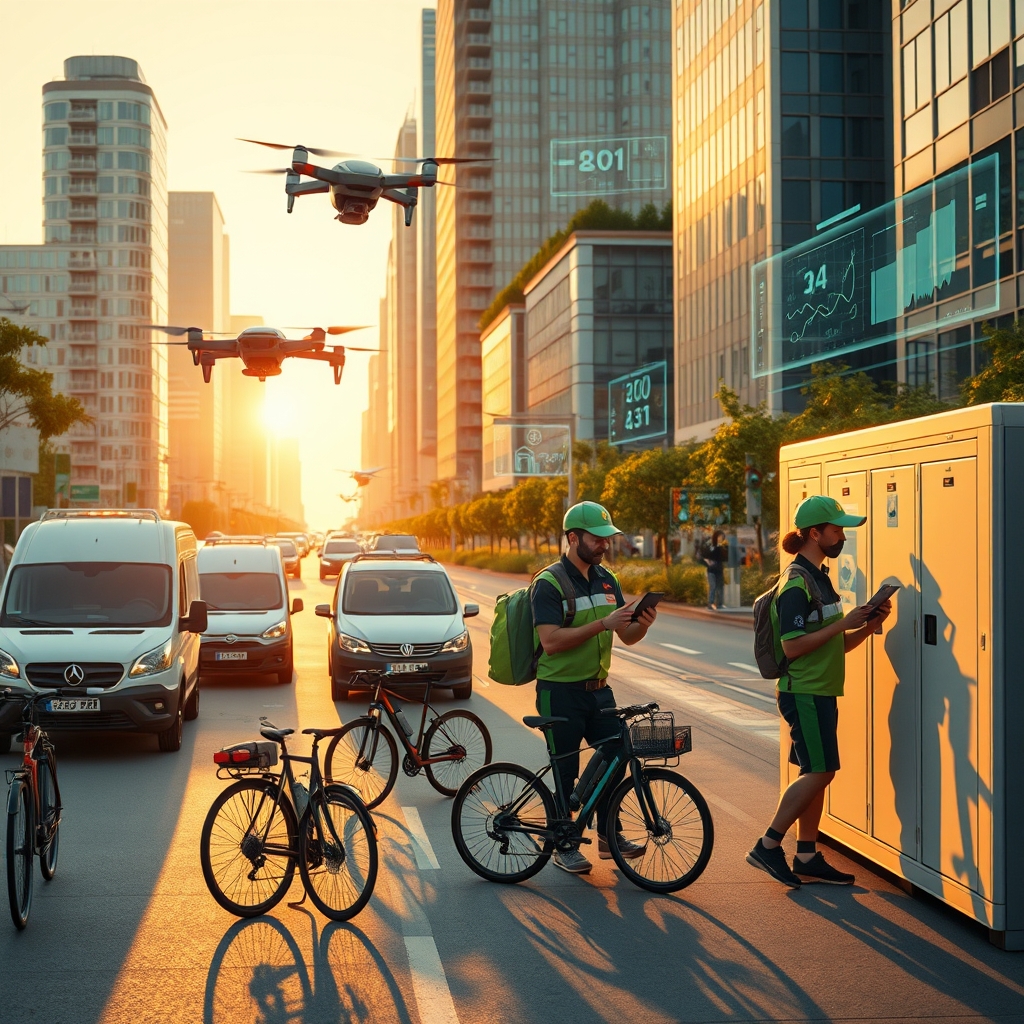
As environmental concerns take center stage, eco-friendly delivery solutions are no longer optional—they’re imperative. The logistics industry is one of the largest contributors to carbon emissions, and businesses are under increasing pressure to adopt sustainable practices. On-demand courier services are leading the charge by integrating green technologies into their operations. Electric vehicles, bike couriers, and optimized delivery routes are just a few examples of how companies are reducing their carbon footprint while maintaining efficiency.
Smart logistics platforms are also playing a pivotal role in sustainability. By consolidating deliveries and minimizing empty return trips, these systems reduce fuel consumption and emissions. Additionally, the rise of smart lockers and automated pickup services eliminates the need for multiple delivery attempts, further cutting down on waste. For businesses, embracing eco-friendly delivery isn’t just about corporate responsibility—it’s a strategic move that resonates with environmentally conscious consumers and can even lead to cost savings in the long run.
The Role of Technology in Shaping the Future
At the heart of this logistics revolution is technology. Artificial intelligence, machine learning, and automation are transforming every facet of the delivery process, from demand forecasting to route optimization. AI-driven algorithms can predict delivery volumes with remarkable accuracy, allowing courier services to allocate resources more efficiently. Meanwhile, automation streamlines operations, from automated pickup services that reduce human error to drone deliveries that bypass traditional infrastructure constraints.
International parcel shipping is also benefiting from these advancements. Cross-border logistics, once plagued by delays and regulatory hurdles, is becoming more seamless thanks to digital innovation. Real-time customs clearance, blockchain for secure documentation, and AI-powered compliance tools are simplifying the complexities of global trade. As a result, businesses can expand their reach without the logistical headaches that once held them back.
The logistics landscape is evolving at a breakneck pace, driven by the dual forces of consumer demand and technological innovation. On-demand courier services are at the forefront of this transformation, offering speed, flexibility, and scalability that traditional models simply cannot match. By embracing real-time tracking, eco-friendly practices, and cutting-edge technology, businesses can not only meet the expectations of today’s consumers but also future-proof their operations for the challenges of tomorrow. The key to success lies in adaptability—those who can pivot quickly, leverage data intelligently, and prioritize sustainability will thrive in this new era of frictionless logistics. As the industry continues to innovate, one thing is clear: the future of delivery is not just about moving packages—it’s about moving forward.