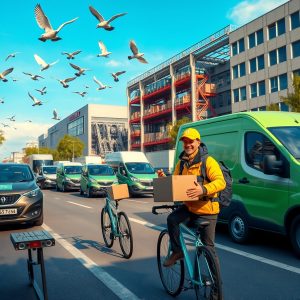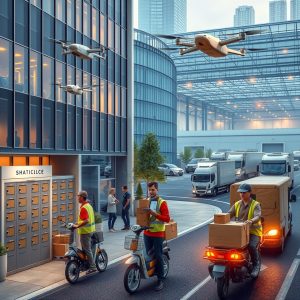
Contactless Parcel Pick Up: A New Standard in Safety and Convenience
The shift toward contactless interactions has reshaped how we approach everyday tasks, and parcel delivery is no exception. In a world where health concerns, efficiency, and convenience drive consumer behavior, contactless parcel pick-up has emerged as a game-changer. This innovation is not just a temporary solution but a lasting transformation in logistics, offering benefits that extend far beyond the challenges of the pandemic. For businesses and individuals alike, it represents a smarter, safer way to manage deliveries.
The Rise of Contactless Solutions in Logistics
The demand for contactless services surged during the global health crisis, as social distancing became a necessity. However, what began as a precautionary measure has evolved into a preferred method of operation. Contactless parcel pick-up eliminates the need for face-to-face interactions, reducing the risk of transmission while streamlining the delivery process. This approach leverages technology to create a seamless experience, where packages are securely stored and retrieved without direct human contact.
For courier networks, this shift has required significant adaptation. Traditional delivery models often relied on signatures, handovers, and in-person verification. Contactless systems, on the other hand, utilize digital authentication, automated lockers, and mobile notifications to ensure packages reach their intended recipients safely. These advancements have not only improved safety but also enhanced efficiency, allowing couriers to handle higher volumes of deliveries with greater accuracy.
How B2B Courier Networks Are Leading the Change
Business-to-business (B2B) courier networks have been at the forefront of this transformation. Companies that specialize in bulk deliveries, such as e-commerce fulfillment centers and corporate logistics providers, have adopted contactless solutions to meet the evolving needs of their clients. By integrating smart lockers, QR code scanning, and real-time tracking, these networks ensure that parcels are delivered and retrieved without compromising security or convenience.
One of the key advantages of B2B contactless pick-up is scalability. Large enterprises often deal with hundreds or thousands of packages daily, making traditional delivery methods impractical. Automated systems allow for 24/7 access to parcels, reducing wait times and eliminating the need for scheduled pick-ups. This flexibility is particularly valuable for businesses operating across multiple time zones or with remote workforces, where employees may need to retrieve packages outside of standard business hours.
Moreover, contactless solutions enhance accountability. Digital records of each transaction provide a clear audit trail, reducing the risk of lost or misplaced packages. For businesses, this means fewer disputes, lower operational costs, and improved customer satisfaction. The ability to track parcels in real-time also allows companies to optimize their supply chains, ensuring that deliveries are made on time and with minimal disruption.
The Technology Behind Contactless Parcel Pick-Up
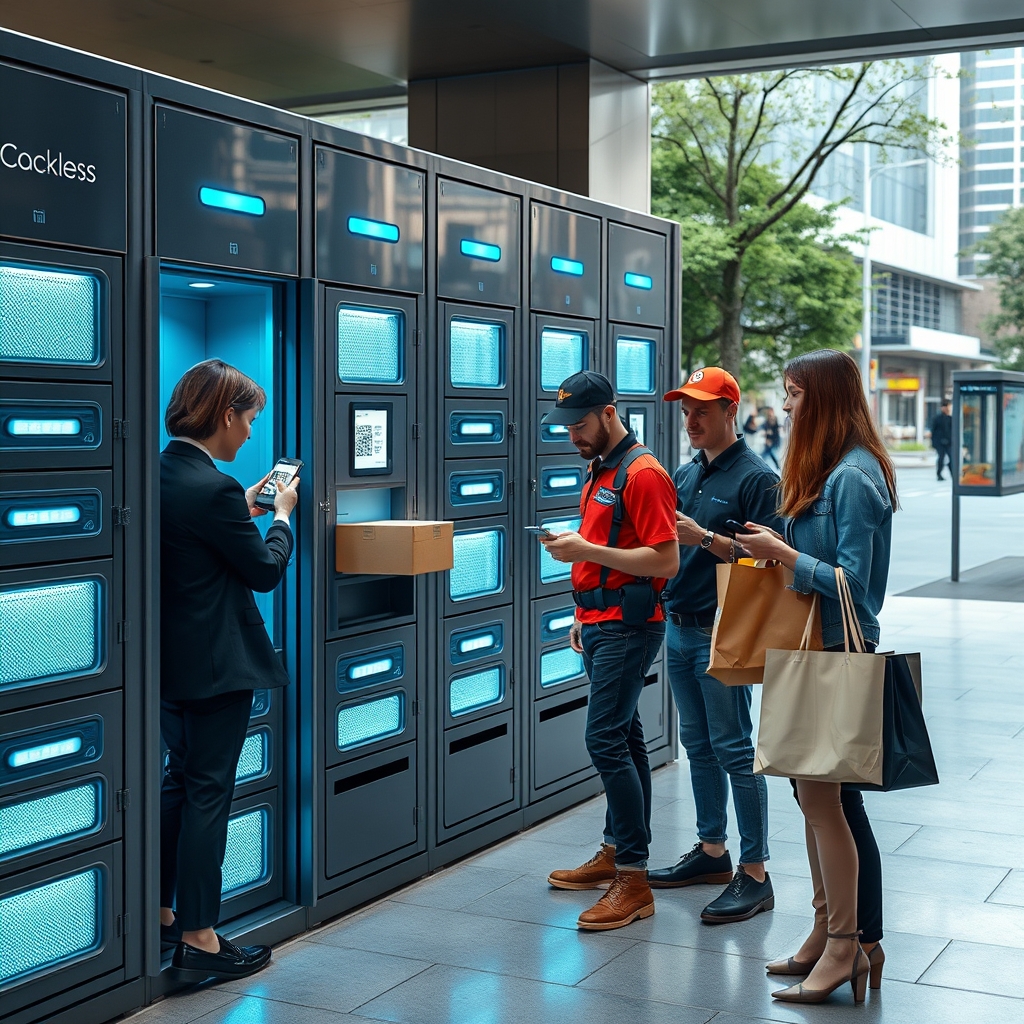
At the heart of contactless parcel pick-up is a combination of hardware and software designed to automate the delivery process. Smart lockers, for instance, are equipped with sensors and secure compartments that can be accessed via a unique code or mobile app. When a package arrives, the recipient receives a notification with instructions on how to retrieve it. This system eliminates the need for physical keys or signatures, making the process entirely touch-free.
Mobile applications play a crucial role in this ecosystem. Couriers use apps to scan packages, update delivery statuses, and notify recipients. Meanwhile, customers can track their parcels, receive alerts, and even reschedule deliveries if needed. The integration of artificial intelligence (AI) and machine learning further enhances these systems by predicting delivery times, optimizing routes, and identifying potential issues before they arise.
Another innovative feature is the use of biometric authentication. Some advanced contactless systems incorporate facial recognition or fingerprint scanning to verify the identity of the recipient. While this technology is still in its early stages, it offers an additional layer of security, ensuring that packages are only accessed by authorized individuals. As these systems become more widespread, they will likely become a standard feature in contactless parcel pick-up.
Security and Privacy Considerations
While contactless parcel pick-up offers numerous benefits, it also raises important questions about security and privacy. Automated systems must be designed to protect sensitive information, such as delivery addresses, personal details, and payment data. Encryption and secure authentication methods are essential to prevent unauthorized access and data breaches.
For businesses, compliance with data protection regulations, such as the General Data Protection Regulation (GDPR) in Europe or the California Consumer Privacy Act (CCPA) in the U.S., is non-negotiable. Courier networks must ensure that their contactless systems adhere to these standards, providing transparency about how customer data is collected, stored, and used. Failure to do so can result in legal repercussions and damage to a company’s reputation.
Additionally, physical security is a critical consideration. Smart lockers and automated pick-up points must be located in well-lit, secure areas to deter theft and vandalism. Surveillance cameras and alarm systems can further enhance security, giving customers peace of mind when retrieving their packages. As contactless solutions become more prevalent, ongoing investment in security measures will be necessary to maintain trust and reliability.
The Future of Contactless Parcel Pick-Up
The adoption of contactless parcel pick-up is not just a trend but a fundamental shift in how deliveries are managed. As technology continues to advance, we can expect even more innovative solutions to emerge. For example, drone deliveries and autonomous vehicles could further reduce the need for human intervention, making the process even more efficient. These technologies are already being tested in select markets, and their widespread adoption may be closer than we think.
Another exciting development is the integration of contactless systems with other smart technologies. Imagine a world where your smart home system automatically notifies you when a package arrives, or where your virtual assistant schedules a pick-up time based on your calendar. These integrations could create a fully automated delivery ecosystem, where parcels are seamlessly managed from sender to recipient.
For businesses, the implications are profound. Contactless parcel pick-up can reduce operational costs, improve customer satisfaction, and open new opportunities for growth. Companies that embrace these innovations early will be well-positioned to thrive in an increasingly digital and contact-free world. Meanwhile, consumers will continue to benefit from the convenience, safety, and efficiency that contactless solutions provide.
The way we receive packages has changed forever, and contactless parcel pick-up is leading the charge. By combining cutting-edge technology with a focus on safety and convenience, this innovation is setting a new standard for logistics. Whether for personal use or business operations, the shift toward contactless deliveries is not just a response to current challenges but a forward-looking solution that will shape the future of how we connect and exchange goods.