The Rise of Smart Courier Solutions: How Businesses Are Redefining Speed, Sustainability, and Convenience in Delivery
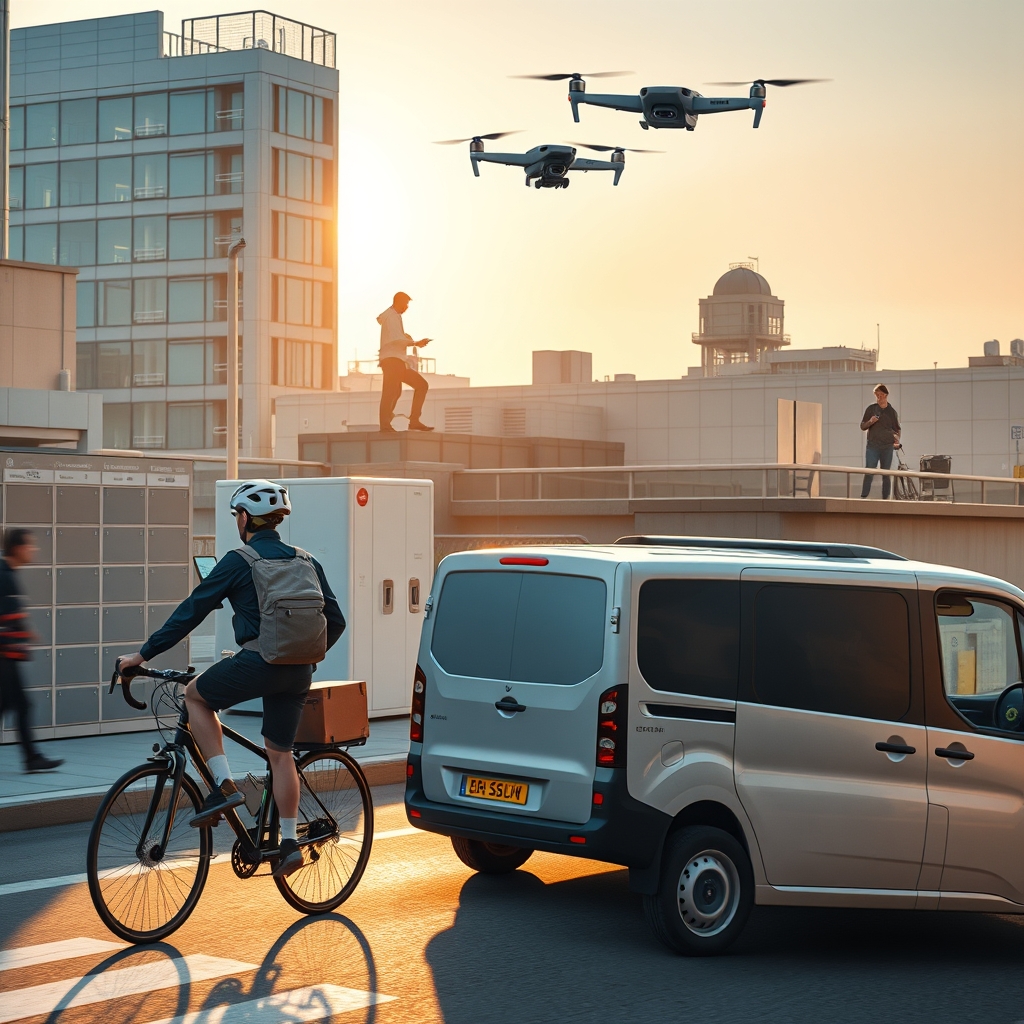
In an era where instant gratification is not just desired but expected, the logistics and courier industry has undergone a seismic shift. Businesses and consumers alike demand faster, more flexible, and environmentally responsible delivery options. From same-day package delivery to contactless drop-offs and smart locker pickups, the landscape of corporate logistics is evolving at an unprecedented pace. Companies that fail to adapt risk falling behind in an increasingly competitive market.
The Demand for Speed: Same-Day and On-Demand Delivery
Gone are the days when waiting three to five business days for a package was the norm. Today, same-day package delivery has become a cornerstone of customer satisfaction, particularly in urban areas where time is a premium. Retailers, e-commerce platforms, and even local businesses are leveraging on-demand drop-off services to meet the growing expectations of their clientele. The ability to dispatch a courier within hours—or even minutes—of an order being placed has redefined what it means to deliver excellence.
For businesses, this shift is not just about keeping up with consumer demands; it’s about staying ahead of the competition. Companies like Amazon, FedEx, and UPS have set the benchmark for rapid delivery, but smaller players are now entering the fray with innovative solutions tailored to niche markets. Whether it’s an urgent document courier for legal firms or a last-mile delivery service for perishable goods, the emphasis on speed has never been more critical.
Local Courier Services: The Unsung Heroes of Urban Logistics
While nationwide freight shipping and international parcel shipping dominate headlines, local courier services play an equally vital role in the logistics ecosystem. These services bridge the gap between businesses and their customers, ensuring that packages reach their destinations swiftly and securely. Local couriers are particularly valuable for small and medium-sized enterprises (SMEs) that lack the infrastructure for large-scale shipping but still need reliable, cost-effective solutions.
One of the key advantages of local courier services is their ability to offer personalized, flexible delivery options. Unlike larger carriers, which often operate on fixed schedules, local couriers can adapt to the unique needs of their clients. This might include scheduled parcel pickups during off-peak hours, residential parcel drop-offs at unconventional times, or even bulk shipping discounts for frequent shippers. For businesses operating in densely populated areas, these services are indispensable.
Sustainability in Delivery: The Push for Eco-Friendly Logistics
As environmental concerns take center stage, the logistics industry is under increasing pressure to adopt eco-friendly practices. Traditional delivery methods, which rely heavily on fossil fuels, are being scrutinized for their carbon footprint. In response, companies are exploring innovative ways to reduce emissions, from electric delivery vehicles to carbon-neutral shipping options.
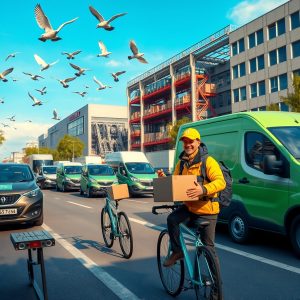
Eco-friendly delivery is no longer a niche offering; it’s becoming a standard expectation. Consumers are more conscious than ever about the environmental impact of their purchases, and businesses that fail to prioritize sustainability risk alienating a significant portion of their customer base. Forward-thinking companies are investing in green logistics, such as bike couriers for urban deliveries, optimized delivery routes to minimize fuel consumption, and even drone deliveries for lightweight packages. These initiatives not only reduce environmental harm but also enhance brand reputation and customer loyalty.
Smart Lockers and Automated Pickup: The Future of Contactless Delivery
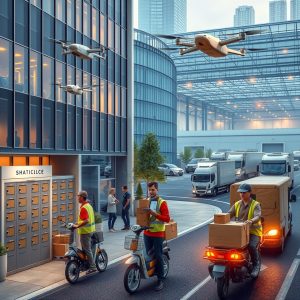
The COVID-19 pandemic accelerated the adoption of contactless delivery methods, and smart lockers have emerged as a game-changer in this space. These automated pickup points allow customers to retrieve their packages at their convenience, eliminating the need for face-to-face interactions and reducing the risk of missed deliveries. For businesses, smart lockers offer a cost-effective solution to the last-mile delivery challenge, particularly in high-density areas where doorstep deliveries can be logistically complex.
In addition to smart lockers, automated pickup services are gaining traction. These systems enable customers to schedule parcel pickups at designated locations, such as retail stores or gas stations, without the need for human intervention. The integration of real-time package tracking further enhances the customer experience, providing transparency and peace of mind. As technology continues to advance, we can expect these solutions to become even more sophisticated, with AI-driven logistics platforms optimizing delivery routes and reducing wait times.
B2B Delivery Services: Meeting the Unique Needs of Businesses
While much of the conversation around delivery services focuses on the B2C market, B2B delivery solutions are equally critical. Businesses often require specialized courier services to transport sensitive documents, high-value goods, or time-sensitive materials. Urgent document couriers, for example, are essential for legal and financial institutions that need to ensure the secure and timely delivery of contracts, deeds, and other critical paperwork.
For manufacturers and retailers, B2B delivery services play a pivotal role in supply chain management. Scheduled parcel pickups, bulk shipping discounts, and nationwide freight shipping are just a few of the solutions that help businesses streamline their operations and reduce costs. The rise of e-commerce order fulfillment has further amplified the need for reliable B2B logistics, as companies seek to manage inventory, process orders, and ship products efficiently.
The logistics industry is at a crossroads, where speed, sustainability, and convenience intersect. Businesses that embrace innovative courier solutions—whether through same-day delivery, eco-friendly practices, or automated pickup systems—are poised to thrive in this dynamic landscape. As consumer expectations continue to evolve, the companies that prioritize flexibility, efficiency, and environmental responsibility will not only meet the demands of today but also shape the future of delivery. The journey has just begun, and the possibilities are limitless for those willing to adapt and innovate.