The Evolution of Modern Logistics: How On-Demand Delivery is Transforming Business and Consumer Expectations
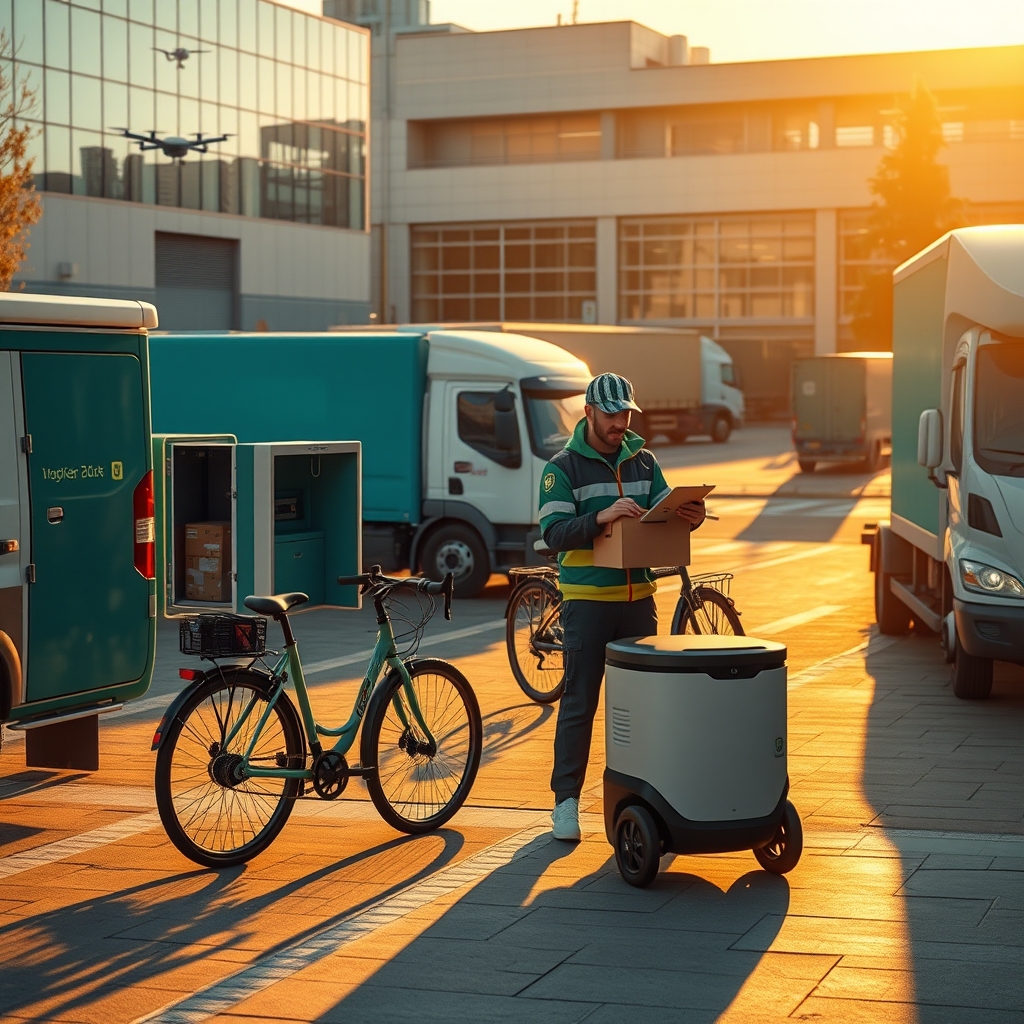
The logistics industry has undergone a seismic shift in the past decade, driven by the relentless rise of e-commerce, technological advancements, and changing consumer behaviors. What was once a straightforward process of moving goods from point A to point B has evolved into a complex, dynamic ecosystem that prioritizes speed, flexibility, and sustainability. At the heart of this transformation is the growing demand for on-demand delivery services, which are redefining how businesses and individuals approach shipping, fulfillment, and last-mile logistics.
The Rise of On-Demand Delivery: Meeting the Need for Speed
In an era where instant gratification is the norm, the expectation for same-day or even same-hour delivery has become a competitive differentiator for businesses. On-demand delivery services have emerged as a critical solution, enabling companies to meet these heightened expectations without compromising on efficiency or cost. Whether it’s an urgent document courier for a legal firm, a last-minute gift for a forgetful spouse, or a time-sensitive medical supply, the ability to dispatch a package within hours—or even minutes—has become a game-changer.
For businesses, this shift has necessitated a reevaluation of their logistics strategies. Traditional models, which relied on scheduled parcel pick-ups and fixed delivery windows, are no longer sufficient. Instead, companies are turning to flexible, scalable solutions that can adapt to fluctuating demand. This is where local courier services and express package delivery providers have stepped in, offering tailored solutions that bridge the gap between businesses and their customers.
Last-Mile Delivery: The Final Frontier of Customer Satisfaction
While the entire logistics chain is important, the last mile—the final leg of a package’s journey from a distribution center to the customer’s doorstep—has become the most critical and challenging aspect of delivery. It’s also the most visible to the end consumer, making it a key factor in shaping brand perception. A delayed or mishandled last-mile delivery can undo all the efficiency gains achieved earlier in the supply chain, leading to frustrated customers and lost business.
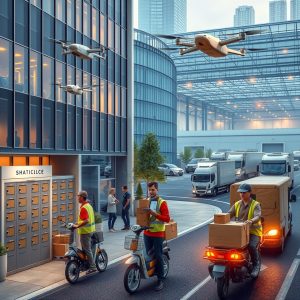
To address these challenges, logistics providers are leveraging innovative technologies and strategies. Smart locker pick-up systems, for example, allow customers to retrieve their packages at their convenience, reducing the risk of missed deliveries and enhancing security. Contactless package drop-off options have also gained traction, particularly in the wake of the COVID-19 pandemic, as they minimize physical interaction while ensuring timely delivery. Additionally, real-time package tracking has become a standard expectation, providing customers with transparency and peace of mind throughout the delivery process.
Eco-Friendly Delivery: Balancing Speed with Sustainability
As the logistics industry continues to grow, so too does its environmental footprint. The rise of express delivery services, while convenient, has led to increased carbon emissions, traffic congestion, and waste from packaging materials. In response, businesses and logistics providers are increasingly prioritizing eco-friendly delivery options to mitigate their impact on the planet.
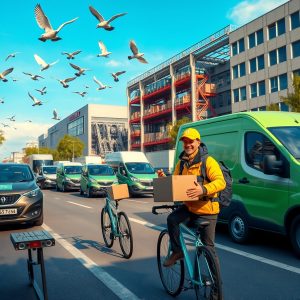
One of the most promising developments in this space is the adoption of electric and hybrid delivery vehicles. Companies like Amazon and UPS have already begun integrating electric vans into their fleets, reducing emissions and operating costs. Similarly, bike couriers and pedestrian delivery services are being used in urban areas to navigate congested streets more efficiently. Beyond transportation, sustainable packaging solutions—such as biodegradable materials and reusable containers—are also gaining traction, helping to reduce waste and appeal to environmentally conscious consumers.
For businesses, embracing eco-friendly delivery isn’t just about corporate social responsibility; it’s also a smart business move. A growing number of consumers are willing to pay a premium for sustainable products and services, and companies that fail to adapt risk losing market share to more environmentally conscious competitors. By partnering with logistics providers that prioritize sustainability, businesses can align their operations with consumer values while also benefiting from long-term cost savings.
B2B Delivery Services: Streamlining Operations for Businesses
While much of the focus on modern logistics has been on the B2C (business-to-consumer) space, B2B (business-to-business) delivery services are equally critical to the success of many industries. From manufacturers relying on just-in-time inventory systems to retailers restocking their shelves, the efficient movement of goods between businesses is the backbone of the global economy. However, B2B logistics come with their own set of challenges, including bulk shipping requirements, specialized handling needs, and strict delivery windows.
To address these challenges, logistics providers are offering tailored B2B delivery solutions that prioritize reliability, scalability, and cost-effectiveness. Automated pick-up services, for example, allow businesses to schedule regular pickups of their shipments, reducing the need for manual coordination and minimizing the risk of delays. Bulk shipping discounts are also available for companies that frequently ship large volumes of goods, helping to lower costs and improve profitability. Additionally, real-time tracking and reporting tools provide businesses with greater visibility into their supply chains, enabling them to make data-driven decisions and optimize their operations.
The Future of Logistics: What Lies Ahead
The logistics industry is poised for continued innovation, with emerging technologies like artificial intelligence, machine learning, and the Internet of Things (IoT) set to further transform how goods are moved and delivered. AI-powered route optimization, for instance, can help delivery drivers navigate traffic more efficiently, reducing fuel consumption and improving delivery times. Meanwhile, IoT-enabled sensors can provide real-time data on the condition of shipments, ensuring that perishable or fragile items are handled with care.
Another exciting development is the expansion of international parcel shipping services. As e-commerce continues to break down geographical barriers, businesses are increasingly looking to tap into global markets. However, cross-border logistics can be complex, with challenges ranging from customs regulations to varying delivery standards. To address these issues, logistics providers are investing in global networks and partnerships, enabling seamless international shipping for businesses of all sizes. Whether it’s a small e-commerce retailer shipping products overseas or a multinational corporation managing a complex supply chain, the ability to navigate the intricacies of international logistics is becoming a critical competitive advantage.
The logistics industry has come a long way from its humble beginnings, evolving into a sophisticated, technology-driven sector that plays a vital role in the global economy. As consumer expectations continue to rise and businesses seek to differentiate themselves in an increasingly competitive market, the demand for fast, flexible, and sustainable delivery solutions will only grow. By embracing innovation and prioritizing customer-centric strategies, logistics providers can not only meet these demands but also shape the future of how goods are moved and delivered. The journey is far from over, and the next chapter in the evolution of logistics promises to be even more transformative.