Revolutionizing Last Mile Logistics: How On Demand Delivery Services Are Changing the Game
The last mile of delivery has long been the most complex and costly segment of the logistics chain. It’s where efficiency meets the customer, and where delays or missteps can tarnish even the most seamless supply chain operations. However, the rise of on-demand delivery services is rewriting the rules of last mile logistics, turning what was once a bottleneck into a competitive advantage. These services are not just meeting consumer expectations—they’re redefining them, offering speed, transparency, and convenience that were unimaginable just a decade ago.
The Speed Revolution: Faster Than Ever Before
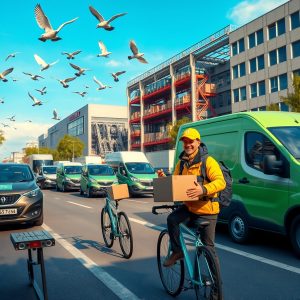
One of the most striking changes brought by on-demand delivery is the dramatic reduction in delivery times. Traditional logistics models often relied on fixed routes and schedules, which could lead to delays, especially in urban areas where traffic and congestion are constant challenges. On-demand services, however, leverage dynamic routing algorithms and real-time data to optimize delivery paths. This means packages can be rerouted on the fly to avoid delays, ensuring they reach their destination in the shortest possible time.
Companies like Amazon, Uber Eats, and Instacart have set new benchmarks for delivery speed, with some offering same-day or even one-hour delivery options. This shift has forced retailers and logistics providers to adapt or risk losing customers to competitors who can deliver faster. The result? A logistics landscape where speed is no longer a luxury but an expectation.
The Role of Technology in Last Mile Efficiency
At the heart of this transformation is technology. Advanced software solutions, powered by artificial intelligence and machine learning, are enabling logistics providers to predict demand, optimize routes, and manage fleets more effectively. For example, AI-driven demand forecasting helps companies anticipate order volumes, allowing them to allocate resources more efficiently. Meanwhile, real-time tracking systems provide customers with up-to-the-minute updates on their package’s location, reducing anxiety and improving the overall delivery experience.
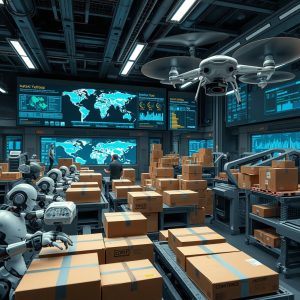
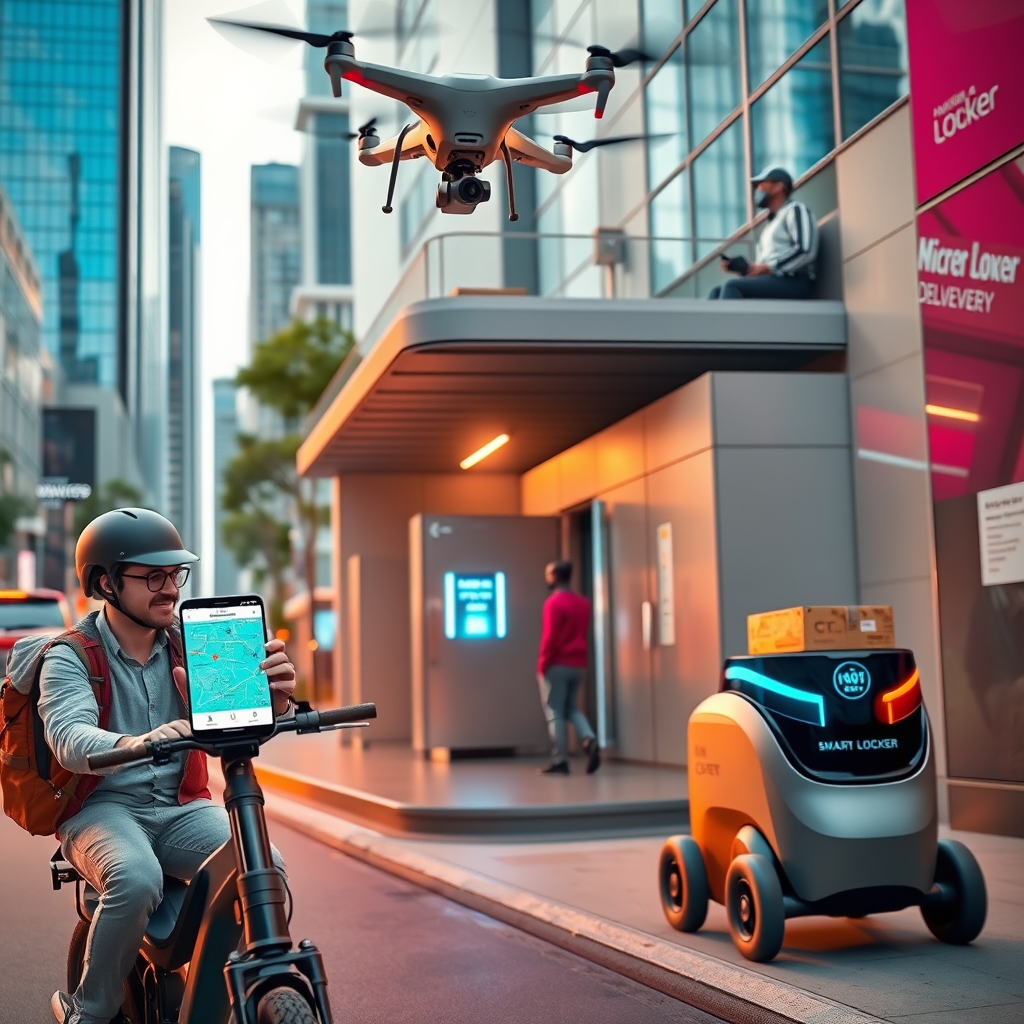
Another game-changer is the use of autonomous delivery vehicles and drones. While still in the early stages of adoption, these technologies promise to further reduce delivery times and costs, particularly in urban areas. Companies like Starship Technologies and Wing are already testing autonomous delivery robots and drones, which could soon become a common sight in neighborhoods around the world. These innovations are not just about speed—they’re about creating a more sustainable and scalable last mile logistics model.
Enhancing Customer Satisfaction Through Transparency and Convenience
Customer satisfaction in logistics hinges on two key factors: transparency and convenience. On-demand delivery services excel in both areas, offering features that put customers in control of their delivery experience. Real-time package tracking, for instance, allows customers to monitor their package’s journey from the warehouse to their doorstep. This level of visibility builds trust and reduces the frustration of waiting for a delivery with no idea when it will arrive.
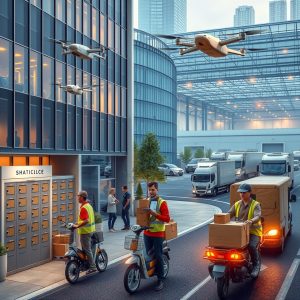
Contactless parcel pick-up is another innovation that has gained traction, especially in the wake of the COVID-19 pandemic. Lockers, smart mailboxes, and designated pick-up points allow customers to retrieve their packages at their convenience, without the need for face-to-face interaction. This not only enhances safety but also provides flexibility for those with busy schedules. Retailers and logistics providers are increasingly partnering with third-party services to offer these options, further expanding the reach and convenience of on-demand delivery.
The Environmental Impact of On-Demand Delivery
While speed and convenience are often the focus of on-demand delivery, these services also have the potential to reduce the environmental footprint of last mile logistics. By optimizing routes and consolidating deliveries, companies can minimize the number of vehicles on the road, reducing fuel consumption and emissions. Additionally, the shift toward electric and autonomous delivery vehicles could further lower the carbon footprint of logistics operations.
However, the environmental benefits of on-demand delivery are not without challenges. The rise of ultra-fast delivery options, such as one-hour or same-day delivery, can lead to more frequent and smaller deliveries, which may offset some of the efficiency gains. To address this, logistics providers are exploring innovative solutions, such as crowdshipping—where everyday drivers deliver packages along their existing routes—or using micro-fulfillment centers located closer to urban areas to reduce the distance packages need to travel.
The Future of Last Mile Logistics
The evolution of last mile logistics is far from over. As technology continues to advance, we can expect even more disruptive innovations to emerge. For instance, the integration of blockchain technology could enhance the security and transparency of delivery transactions, while the use of augmented reality (AR) could improve the accuracy of package handling and sorting. Meanwhile, the growing popularity of subscription-based delivery services, such as Amazon Prime, is pushing companies to offer even more value-added services, such as same-day grocery delivery or scheduled deliveries that align with a customer’s daily routine.
On-demand delivery services are also expanding into new markets, including healthcare and pharmaceuticals, where the need for fast, reliable delivery is critical. The ability to deliver medications, medical supplies, or even lab samples within hours could revolutionize healthcare logistics, improving patient outcomes and reducing costs. This expansion underscores the versatility and potential of on-demand delivery to transform industries beyond retail.
The transformation of last mile logistics is a testament to the power of innovation in meeting evolving consumer demands. On-demand delivery services have not only accelerated the pace of deliveries but have also elevated the entire customer experience, making it more transparent, convenient, and personalized. As these services continue to evolve, they will undoubtedly shape the future of logistics, setting new standards for speed, efficiency, and sustainability. The last mile, once a logistical challenge, is now a gateway to unparalleled convenience and customer satisfaction, proving that the future of delivery is not just about getting packages from point A to point B—it’s about doing so in a way that delights and empowers the customer at every step.