The Strategic Advantage of On-Demand Drop-Off and Contactless Delivery in Modern Urban Logistics
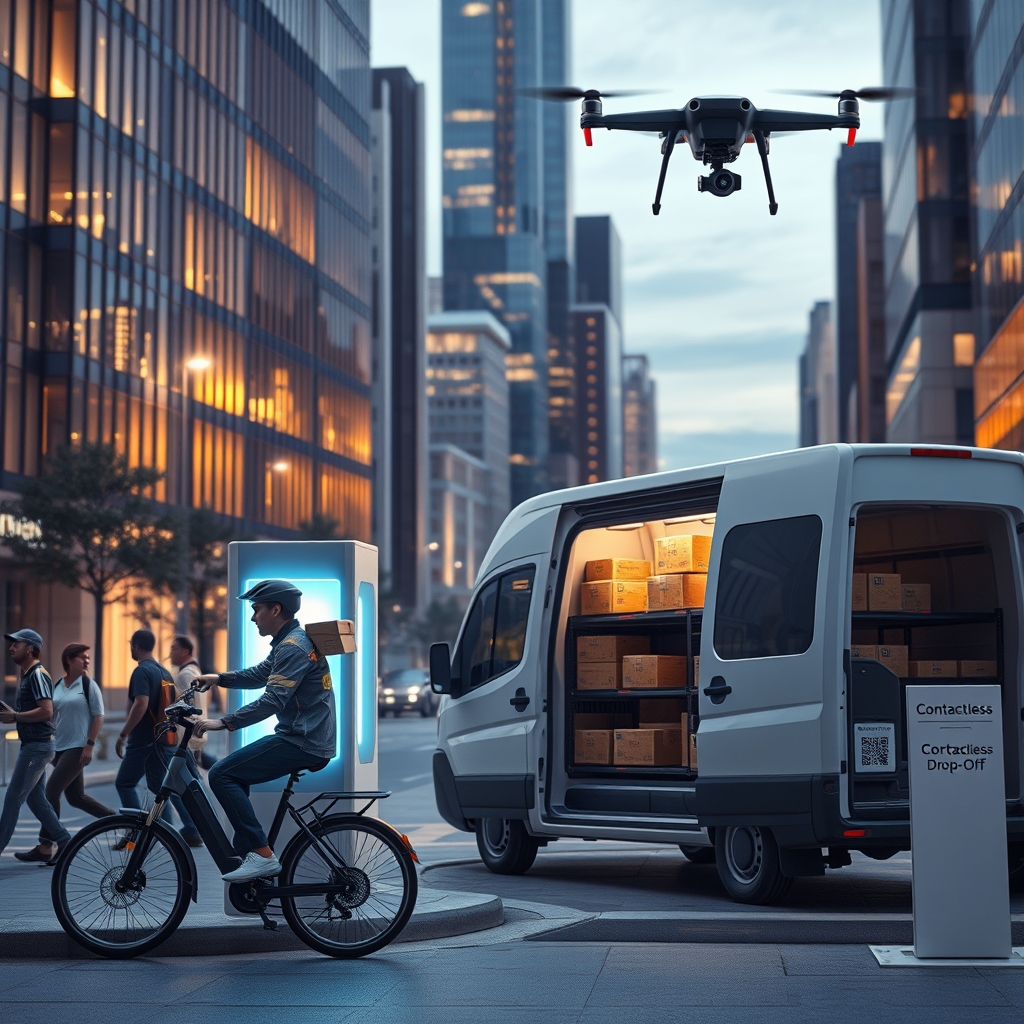
In the fast-paced world of urban logistics, businesses and consumers alike demand speed, flexibility, and reliability. The rise of on-demand drop-off services and contactless delivery has transformed how parcels move through cities, offering a seamless blend of convenience and efficiency. These innovations are not just trends—they are reshaping the logistics landscape, addressing pain points in last-mile delivery, and setting new standards for customer satisfaction.
The Rise of On-Demand Drop-Off Services
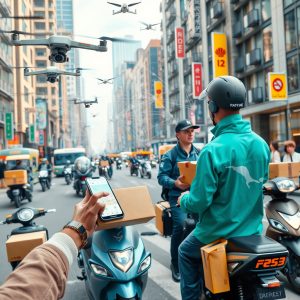
On-demand drop-off services have emerged as a game-changer for businesses and individuals who need immediate or flexible parcel handling. Unlike traditional courier models that rely on fixed schedules, on-demand services allow users to request pickups or drop-offs at their convenience, often within hours. This flexibility is particularly valuable for e-commerce businesses, small enterprises, and even individuals who require urgent document or package delivery.
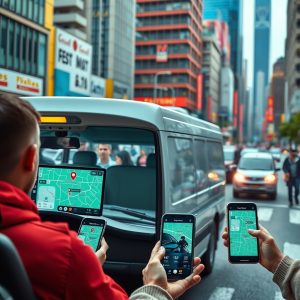
For businesses, on-demand drop-off services eliminate the need for time-consuming trips to post offices or courier centers. Instead, couriers arrive at a specified location—whether an office, warehouse, or residential address—to collect parcels. This not only saves time but also reduces operational friction, allowing companies to focus on core activities rather than logistics management. The integration of mobile apps and real-time tracking further enhances transparency, giving users full visibility into their shipments from pickup to delivery.
How Contactless Delivery is Redefining Safety and Convenience
The COVID-19 pandemic accelerated the adoption of contactless delivery, but its benefits have ensured its permanence in modern logistics. Contactless delivery minimizes physical interaction between couriers and recipients, reducing health risks while enhancing convenience. Parcels are left at designated drop-off points, such as doorsteps, smart lockers, or secure reception areas, ensuring a seamless and safe handover.
For businesses, contactless delivery aligns with evolving consumer expectations. Customers today prioritize safety, speed, and minimal disruption, and contactless options deliver on all fronts. Whether it’s a same-day package for a busy professional or an urgent document for a corporate client, the ability to receive deliveries without direct interaction has become a non-negotiable feature. Additionally, contactless delivery reduces failed delivery attempts, as parcels can be securely left in pre-approved locations, cutting down on operational inefficiencies.
The Synergy of On-Demand and Contactless in Urban Logistics
The combination of on-demand drop-off and contactless delivery creates a powerful synergy that addresses the unique challenges of urban logistics. Cities are characterized by high population density, traffic congestion, and diverse delivery needs—all of which demand agile and adaptable solutions. On-demand services provide the flexibility to navigate these complexities, while contactless delivery ensures safety and convenience in densely populated areas.
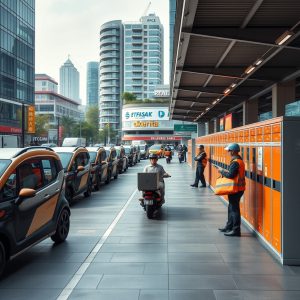
Smart lockers and automated pickup points further enhance this synergy. These solutions allow recipients to retrieve parcels at their convenience, reducing the need for repeated delivery attempts and minimizing the carbon footprint associated with failed deliveries. For businesses, smart lockers offer a scalable way to manage high volumes of shipments, particularly in urban centers where space is at a premium. The integration of real-time notifications ensures that recipients are always informed, fostering trust and reliability in the delivery process.
The Role of Technology in Driving Efficiency
Technology is the backbone of on-demand and contactless logistics. Advanced routing algorithms optimize delivery paths, reducing transit times and fuel consumption. Mobile apps provide users with real-time updates, allowing them to track shipments, reschedule deliveries, or redirect parcels as needed. Artificial intelligence and machine learning further enhance efficiency by predicting demand patterns, optimizing inventory management, and automating customer service interactions.
For businesses, these technological advancements translate into cost savings and improved customer experiences. Automated pickup services, for example, allow companies to streamline their logistics operations by scheduling regular pickups without manual intervention. This not only reduces labor costs but also ensures consistency in service quality. Similarly, real-time tracking empowers businesses to proactively address delivery issues, such as delays or misrouted parcels, before they escalate into customer complaints.
The Future of Urban Logistics: Sustainability and Scalability
As urban logistics continues to evolve, sustainability and scalability will remain key priorities. On-demand and contactless delivery models are inherently more eco-friendly than traditional methods, as they reduce the need for multiple delivery attempts and optimize routes for fuel efficiency. The adoption of electric vehicles and alternative fuels further enhances the environmental benefits of these services, aligning with global efforts to reduce carbon emissions.
Scalability is another critical factor. On-demand services can easily adapt to fluctuating demand, whether it’s a sudden surge in e-commerce orders during the holiday season or a spike in urgent document deliveries for corporate clients. By leveraging technology and flexible logistics networks, businesses can scale their operations up or down without compromising on service quality. This agility is particularly valuable in urban environments, where demand patterns can change rapidly.
The logistics industry is undergoing a profound transformation, driven by the need for speed, convenience, and sustainability. On-demand drop-off and contactless delivery are at the forefront of this shift, offering solutions that address the unique challenges of urban logistics. By embracing these innovations, businesses can enhance their operational efficiency, meet evolving customer expectations, and contribute to a more sustainable future. The key to success lies in leveraging technology, fostering flexibility, and prioritizing the seamless integration of these services into everyday logistics operations. As cities grow and consumer demands evolve, the ability to adapt and innovate will determine which businesses thrive in the new era of urban logistics.